Female Genital Mutilation (FGM)
Due to population size and other factors, Nigeria has one of the highest absolute numbers of FGM cases globally. As Female Genital Mutilation (FGM) remains in Nigerian societies, advocacy and awareness continues to remains a necessity due to its implications in the overall health and wellbeing of women, and human rights implications.
About
Our FGM program addresses the multifaceted health and human rights implications of female genital mutilation, focusing on preventing extreme practices like Type III and Type IV procedures. We provide essential support services for survivors, including reproductive health referrals and psychological counseling to address long-term trauma. Through extensive rural and urban awareness campaigns, we challenge cultural narratives and educate the public on the severe impact of these practices. Our advocacy efforts focus on strengthening legal frameworks and ensuring accountability to facilitate the total eradication of FGM.
Our Impacts
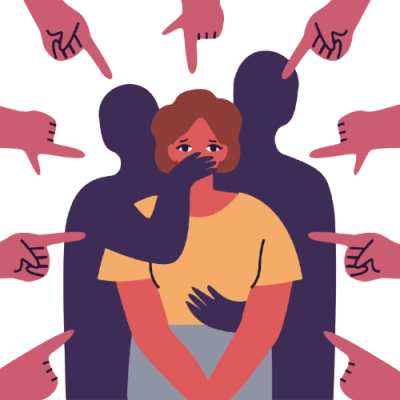
Our advocacy and awareness campaigns have provided a vital lifeline for countless women and girls, offering critical pathways to recovery and medical support for those affected by the physical and psychological trauma of FGM. By taking our initiatives into the heart of both rural and urban communities, we have successfully increased the reporting of harmful traditional practices and fostered a deeper societal understanding of the severe health and human rights implications involved. Our persistent efforts have contributed to a safer environment by strengthening local accountability, improving the response to Type III and IV practices in Northern Nigeria, and facilitating community-led prevention that moves us closer to total eradication.

Our Goals
- Increasing knowledge of the physical and human rights implications of FGM in all communities.
- Facilitating community-led action to prevent new cases from occurring.
- Working toward the total removal of FGM practices from Nigerian society.
- Addressing the specific challenges of both Northern and Southern practices through targeted rural and urban campaigns.