The evening of Saturday, May 15, was far from ordinary in Nairobi. The Argyle Grand Hotel at the Airport shimmered with elegance, colour, and anticipation as women from across East Africa gathered beneath one roof for a celebration that carried meaning far beyond glamour. The East Africa Superwoman Awards was not merely another gala night filled with applause and photographs. It was a statement about leadership, resilience, and the growing influence of women who are reshaping institutions across the continent.
Under the powerful theme “Breaking the Glass Ceiling and Leading Ahead,” the event brought together women whose stories reflected determination, sacrifice, innovation, and excellence. These were women who had not waited for systems to create opportunities for them. They had created space for themselves and, in doing so, opened doors for others to follow.
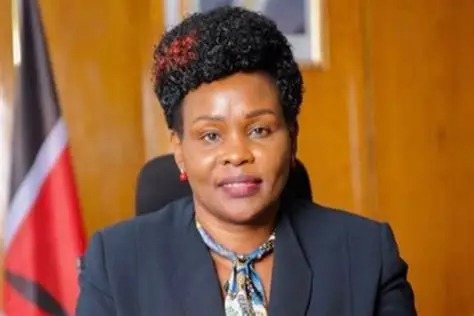
Among the distinguished honorees that night, one name stood out prominently. Evelyn Chelugut, the Director General of Immigration Services, was crowned the East Africa Public Sector Leadership Champion of the Year 2026. The recognition placed her among the region’s most influential women in public service and highlighted years of dedication within one of the most demanding sectors of government administration.
Chelugut’s journey to recognition was not built on a single achievement or moment of visibility. It reflected years of disciplined service, institutional reform, and leadership shaped by consistency rather than spectacle. As a career immigration officer, she rose through the ranks with a reputation for professionalism, administrative strength, and commitment to improving public service delivery.
Her leadership within Immigration Services became associated with efficiency, national security management, border administration, and institutional transformation. At a time when public institutions across many African countries face scrutiny over accountability and service delivery, Chelugut emerged as a figure representing competence and reform within government structures.
What distinguished her leadership was not simply her position, but her approach to service. She demonstrated that public administration could still be driven by integrity, discipline, and vision. Rather than merely occupying office, she focused on strengthening the institution she led and improving the systems under her supervision. Her recognition at the East Africa Superwoman Awards reflected the impact of that commitment.
When she stepped forward to receive the award, Chelugut used the moment not to celebrate herself alone, but to acknowledge the officers and professionals who worked alongside her. In her remarks, she praised immigration officers for their patriotism, resilience, professionalism, and dedication in safeguarding national security while ensuring efficient service delivery across the country.
More importantly, she turned the award into a message for women in leadership across Africa. She stated, “This recognition should inspire more women in leadership to continue breaking barriers, overcome challenges, and create pathways for others to succeed.”
Her words captured the larger significance of the evening. The award was not only about personal success. It represented the growing presence of women in spaces historically dominated by men, particularly within public institutions and government leadership.
The founder and Chief Executive Officer of the East Africa Superwoman Awards, Fred Kyalo, emphasized this changing reality during the ceremony. Speaking passionately about the evolution of women’s leadership across the continent, he noted that African women are increasingly occupying influential positions in business, governance, media, and public service.
He said, “Women are out there winning. Women are out there conquering. Now it’s not like before when the community was a male dominated society. Women are CEOs today. Women are starting and coming up with ideas.”
Kyalo explained that the purpose of the awards extends beyond celebration. The platform exists to recognize women whose work has transformed communities and institutions while inspiring younger generations to pursue leadership with confidence.
According to him, “Today we’re celebrating a woman of excellence, not only a woman. A woman who has done something impactful to society. A woman who is shaping our community because they’re going the extra mile to sacrifice their time.”
The evening also honoured several other influential women from different sectors across East Africa. Citizen TV’s Lulu Hassan, Mwanahamisi Amadi, and media personality Pauline Shegu were among the personalities recognized for their contributions in media and public engagement. Their recognition reflected the diversity of women’s achievements across industries and professions.
As the ceremony drew to a close and conversations filled the softly lit halls of the hotel, the atmosphere carried a deeper meaning than celebration alone. The event reflected a broader transformation taking place across East Africa, where women are increasingly shaping national conversations, leading institutions, influencing policy, and redefining public leadership.
Evelyn Chelugut’s recognition symbolized more than individual accomplishment. It represented the changing face of leadership on the continent. Her story serves as evidence that women are not simply participating in governance and administration. They are helping define the future of those institutions through competence, vision, and service.
For many young girls watching from afar, the image of a woman standing confidently at the centre of one of East Africa’s most prestigious leadership stages carries profound significance. It sends a message that leadership is not reserved for a select few, nor limited by gender or tradition.
Women like Evelyn Chelugut are proving that excellence in public service is not measured by visibility alone, but by impact, responsibility, and the ability to inspire transformation within society. Through discipline, resilience, and purposeful leadership, she has become part of a growing generation of African women changing the narrative of power and leadership across the continent.
Umm E Habiba,
Punjab, Pakistan.