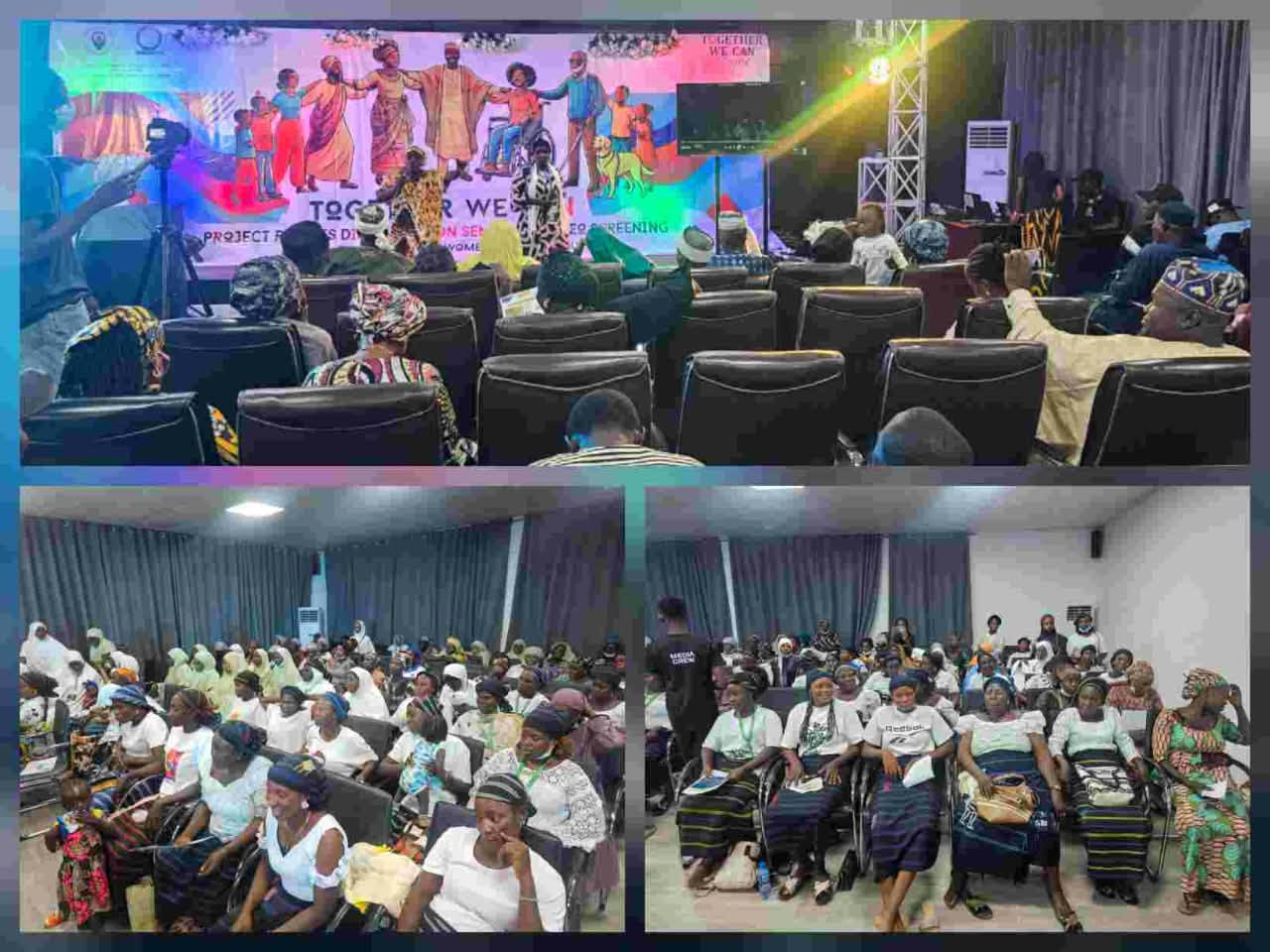
The Empowering Women for Excellence Initiative (EWEI), through its Together We Can project, has reached 276 women and girls and mobilised 581 community members in the fight against gender-based violence (GBV) in Kaduna State.
The project, supported by the United Nations Trust Fund to End Violence Against Women, also engaged 102 government representatives and institutional actors as part of efforts to strengthen support systems for women and girls affected by violence.
The figures were disclosed at the project’s dissemination and closing ceremony in Kaduna on Tuesday by EWEI Programme Director, Safiya Ibn Garba.
She explained that the initiative was implemented in Kasuwan Magani in Kajuru Local Government Area and Kujama in Chikun Local Government Area, combining mental health and psychosocial support, economic empowerment, community mobilisation and institutional capacity strengthening.
According to her, the project was designed to respond to the interconnected challenges facing women and girls, particularly those living in communities affected by conflict and insecurity.
The intervention sought to address not only the immediate consequences of violence but also the economic and social conditions that can make women more vulnerable, while strengthening community and institutional responses.
Presenting the project’s monitoring, evaluation and learning findings, EWEI’s Monitoring, Evaluation and Learning focal person, Mendie Jeremiah, highlighted improvements recorded across its intervention areas.
The report indicated a 46.43 per cent reduction in mental health symptoms among participants. It also showed that 58 women received counselling, with 83.3 per cent rating the services very highly.
On economic empowerment, the project provided loans to 80 women, with reported business survival standing at 89.43 per cent. Beneficiaries also recorded income increases ranging from 40 to 60 per cent, while the loan repayment rate stood at 71.67 per cent.
The findings further showed that 74.77 per cent of participants felt more valued and supported, while 31 women achieved full financial independence and greater personal agency.
The initiative also established eight cooperatives and engaged 60 male champions to encourage community participation and promote efforts to prevent gender-based violence.
Jeremiah noted that the project encountered challenges, including insecurity and operational delays. However, the team adopted adaptive measures such as flexible loan repayment arrangements, safe access plans and peer-learning activities to sustain engagement with beneficiaries.
The findings underscored the importance of combining psychosocial support with economic opportunities and community-level action in addressing the experiences of women and girls affected by violence.
Stakeholders Call for Sustained Support
Government representatives at the event acknowledged the importance of collaboration between civil society organisations, public institutions and community leaders in tackling gender-based violence.
Among those present were Hajiya Khadija Ado of the Ministry of Education, Hadiza Nasir of the Ministry of Health and Kuwot Waje of the Ministry of Justice, who represented the Attorney-General.
Traditional leaders, including the Sarki of Tudun-Wada, Yamma and Amos Yakubu of Kujama, also participated in the engagement.
The project’s recommendations included expanding access to safe spaces and cooperative-based counselling, strengthening local counselling capacity and improving survivor-sensitive documentation.
It also called for continuous staff training, proper handover arrangements, stronger peer-support networks and sustained engagement with cooperatives and male champions.
The initiative further emphasised the need for stronger coordination with existing support institutions, including Sexual Assault Referral Centres, the Federal Neuro-Psychiatric Hospital, the National Agency for the Prohibition of Trafficking in Persons (NAPTIP), justice institutions and financial service providers.
The recommendations highlighted the importance of ensuring that survivors can access coordinated psychosocial, medical, legal and economic support without facing additional barriers.
Through its interventions, EWEI is seeking to strengthen the capacity of women and girls to recover from violence, improve their economic independence and participate more actively in their communities.
The project also demonstrates the role of community mobilisation and institutional collaboration in building more responsive systems for preventing and addressing gender-based violence.
By Almustapha Bishir Jume