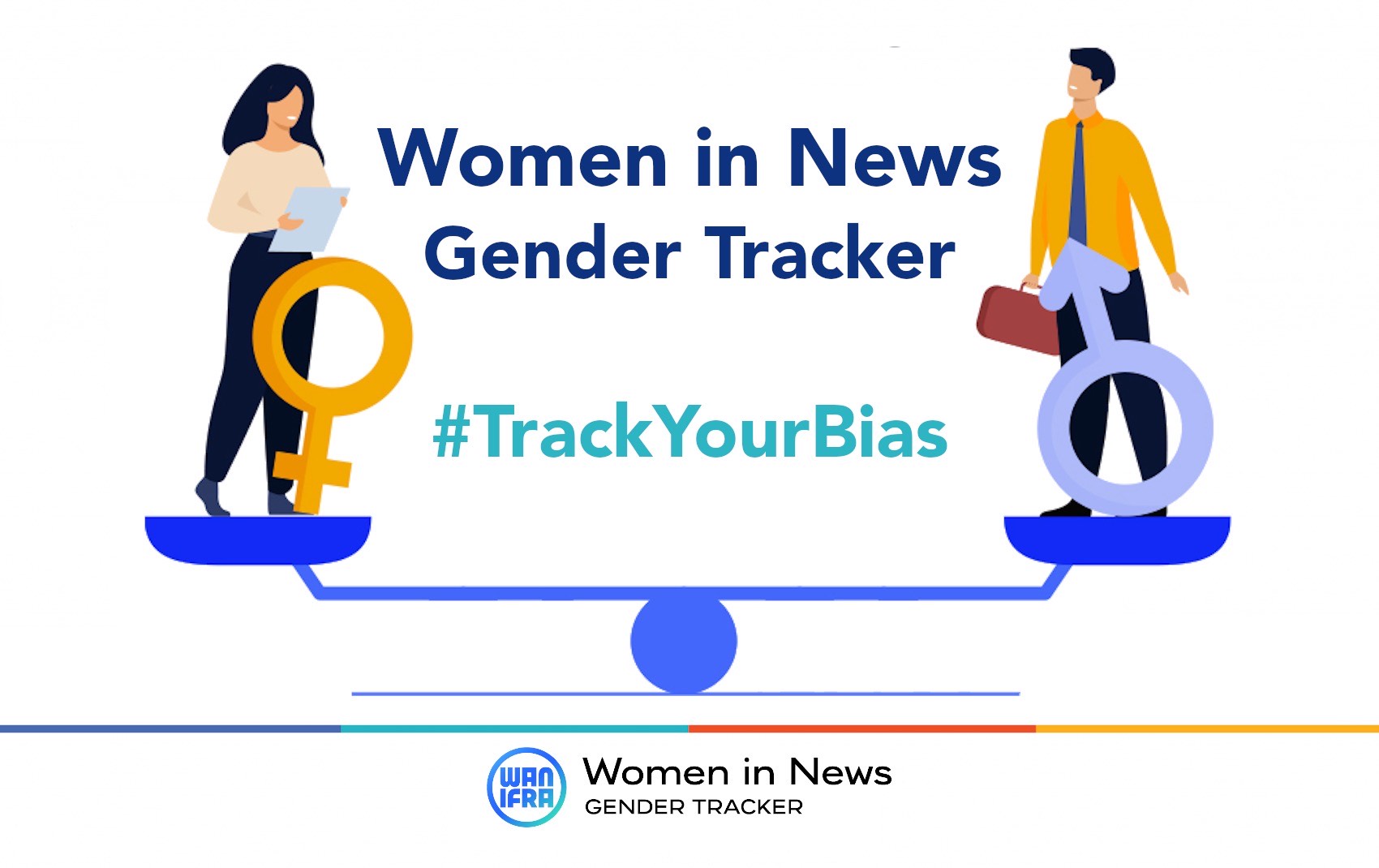
Thirty years after the Beijing Declaration, women still remain nearly invisible in global news, making up just a tiny fraction of voices and representation. The Global Media Monitoring Project (GMMP) 2025, supported by UN Women, reveals this sobering truth:
Despite being half the world’s population, women appear in only 26% of all news subjects and sources across broadcast, radio, and print. Despite decades of advocacy since the Beijing Declaration and Platform for Action (1995), the gender gap in news media remains stubbornly unchanged, with just a nine-point improvement over 30 years.
This lack of women in media representation not only undermines equality but also weakens democracy, as women’s voices and perspectives are systematically excluded from shaping the global narrative.
UN WomenDeputy Executive Director Kirsi Madi states that “Media reflects reality – and is essential for democracy and a fair and equal world for all women and girls. But when women are missing, democracy is incomplete’.
In today’s backlash against gender inequality, these findings are both a wake-up call and a call to action. A radical rethink is needed so that media can play its role in advancing equality. Without women’s voices, there is no full story, no fair democracy, no lasting security and no shared future.”
Another alarming finding of the GMMP 2025 report is the scarce coverage of gender-based violence; an issue affecting half the world’s population. Fewer than 2 out of every 100 news stories report on violence against women, making this one of the most invisible issues in global media.
The report also reveals that only 2% of stories actively challenge stereotypes, highlighting that the news media still reinforces gender bias instead of dismantling it. Journalism that actively counters stereotypes is now at its lowest level in three decades of GMMP monitoring.
However, despite the challenges, there are areas of progress. According to GMMP 2025, 41% of reporters in traditional news articles are now women, a rise from 28% in 1995. This growth matters because:
- Stories authored by women journalists are more likely to feature female subjects (29%) than those written by men (24%).
- Increasing women’s participation in journalism directly boosts women’s visibility in media coverage, narrowing the gender gap.
As highlighted by UN Women’s Deputy Executive Director Kirsi Madi
“When women are missing, democracy is incomplete.”
Media plays a defining role in shaping public discourse and policy debates, yet gender inequality in news coverage undermines both democracy and equality.
“Women and girls deserve to see themselves represented in media and to have their stories told. The responsibility now lies with governments, editors, platforms and policymakers to make this equality real, We will not back down until women’s voices are heard in every newsroom and every story.”
–Kirsi Madi said:
While digital platforms have transformed how news is delivered, they have not closed the gender gap. Online news media mirrors traditional outlets, with women still significantly underrepresented as experts, leaders, and news sources.
The continued absence of women in digital and traditional media underscores the systemic barriers that restrict equality in journalism.
Without women’s voices in media, the global narrative remains partial, progress toward the Sustainable Development Goals (SDGs) is slowed, and societies lose the opportunity to embrace fair representation.
Umm E Habiba
Punjab,
Pakistan