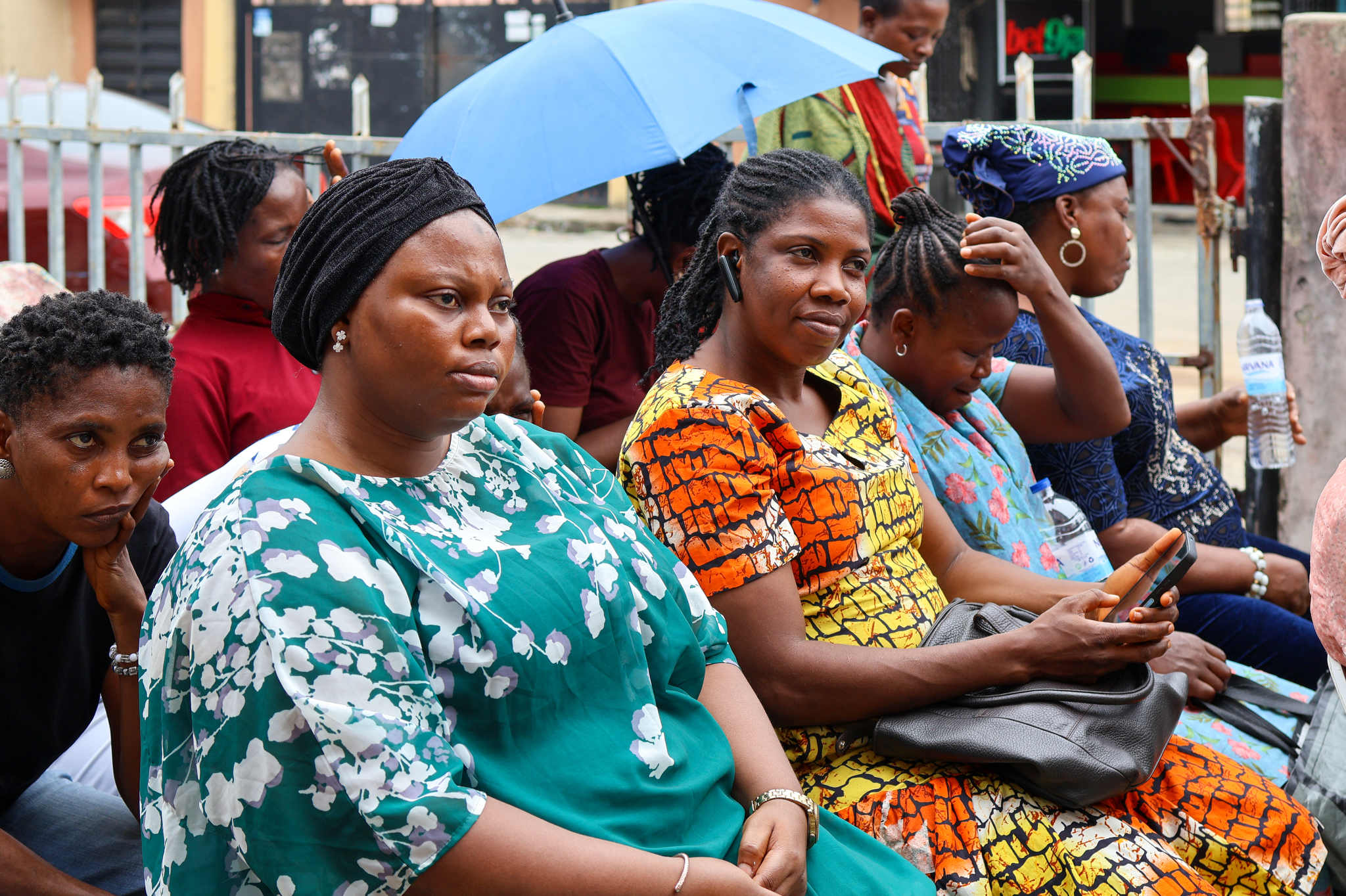
Access to capital has long been a major barrier to financial independence for Nigerian women. In Bauchi State, an initiative by the Federation of Muslim Women’s Associations in Nigeria (FOMWAN) is demonstrating what can happen when women overcome that barrier not through external handouts, but by pooling their own resources.
At the centre of the initiative is the Village Savings and Loan Association (VSLA) model, which has helped women save collectively, access credit and invest in small businesses while strengthening their financial decision-making.
From 2019 to 2024, FOMWAN implemented the WORTH Village Savings and Loan strategy under the Women’s Voice and Leadership Project, funded by Global Affairs Canada through ActionAid Nigeria.
By the end of the initiative, 1,543 women had joined 73 savings groups, which fed into 31 Village Savings and Loan Funds registered as formal cooperatives. Collectively, the women saved, borrowed and circulated more than ₦75 million.
The significance of the figure, however, goes beyond the amount of money mobilized. It reflects women who previously had limited access to formal credit developing the capacity to generate, manage and grow financial resources collectively.
Through the model, a woman could save alongside other members, access a loan, invest it in a small business, repay the loan and continue saving. The process created a cycle through which women could become more active participants in their local economies.
The benefits also extended beyond individual households. Women invested their earnings in their children’s education, improved nutrition and other household needs. In some communities, collective savings supported sanitation projects, water access and assistance for vulnerable residents, linking women’s economic participation with wider community development.
Unlike conventional aid programmes in which external organizations often determine how resources are distributed, the VSLA model places financial management largely in the hands of the participating women. Members contribute their own savings, establish their rules, decide how loans are distributed, maintain records and manage repayments and profit sharing.
That structure can build more than financial resources. It can strengthen confidence, accountability and decision-making skills.
For many participants, economic independence does not necessarily mean building a large enterprise. It can mean having enough financial control to contribute to household decisions, pay school fees, expand a small business or respond to an emergency without relying entirely on someone else’s income.
The WORTH strategy also combined savings and lending with literacy training. A total of 249 women completed literacy classes, with many progressing to post-literacy programmes. Their achievements were certified by the Bauchi State Agency for Mass Education, creating a link between a grassroots economic intervention and a public education institution.
Literacy, in this context, becomes an economic resource. A woman who can read documents, calculate income, understand transaction terms and maintain financial records is better equipped to participate independently in economic activities.
Some of the strongest evidence of the model’s sustainability has emerged after the formal funding period.
In Dass Local Government Area, women used pooled resources to finance a rice-processing facility that reportedly generates about ₦15 million per production cycle.
In Tafawa Balewa, the Village Savings and Loan Fund has been disbursing about ₦1.25 million in loans each month, while annual savings have exceeded ₦80 million per cycle.
These developments demonstrate how locally managed financial structures can continue operating beyond the initial period of donor support. Women who started as members of savings groups have gone on to become borrowers, investors and business owners within their communities.
FOMWAN’s experience in Bauchi is now informing a broader effort through the Renewed Women’s Voice and Leadership Nigeria (RWVL-N) Project, also funded by Global Affairs Canada and implemented through ActionAid Nigeria.
The initiative seeks to replicate and expand the approach, supporting women-led organizations to establish sustainable structures for saving, accessing credit and developing enterprises, particularly in communities where women-owned businesses remain important to local economies but face barriers to affordable finance and financial literacy.
Scaling the VSLA model is therefore not simply about creating more savings groups. It is about creating pathways through which women can accumulate financial assets, develop business capacity and exercise greater influence over decisions affecting their households and communities.
When women gain greater control over financial resources, the effects can extend beyond individual participants. Businesses can expand, household incomes can become more resilient, and families can invest more in education and health. Communities can also gain new ways of mobilizing resources for shared needs.
The experience in Bauchi offers evidence of what can emerge when women have structures that allow them to mobilize and manage their own resources.
Women who began by saving small amounts together have gone on to mobilize millions of naira, access credit, build businesses, support their families and invest in their communities.
As the lessons from Bauchi are carried into the RWVL-N Project, the central question will be whether the model can be sustained and adapted across different communities and economic conditions.
For the women already participating, however, the transformation is measured in more than savings. It is reflected in greater access to capital, stronger financial skills, new businesses and a greater capacity to make decisions about their economic lives.
Their experience shows how collective savings can become more than a financial tool: it can provide women with a foundation for building economic agency, strengthening households and contributing to the resilience of their communities.
By Umm e Habiba, Pakistan.