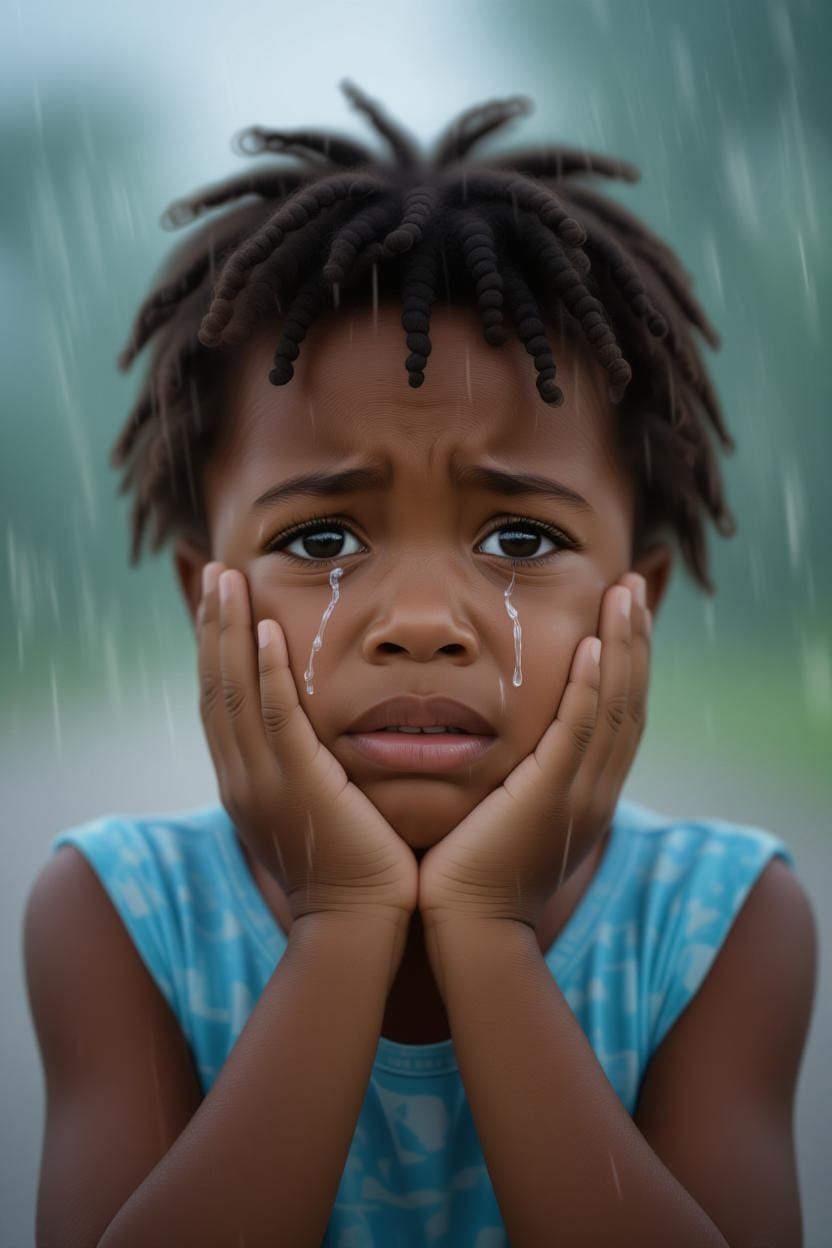
Child sexual abuse is one of the most devastating violations a child can face, yet it often happens in silence. It is not always loud or violent; sometimes it hides behind affection, trust, or seemingly harmless behavior.
Abuse occurs when an adult, or even another minor, uses a child for sexual gratification. This might include inappropriate touching, exposing the child to sexual content, coercing them into secrecy, or making repeated sexual comments. Physical scars may fade, but emotional scars remain.
Why Children Stay Silent
One of the most heartbreaking truths about child sexual abuse is that many children do not fully understand what is happening to them. They may feel confused, guilty, or scared of causing trouble. In most cases, the abuser is not a stranger, but someone trusted: a relative, teacher, neighbor, caregiver, or family friend. This betrayal makes it even harder for children to speak up.
Forms of Child Sexual Abuse,
More than just physical contact, sexual abuse is not limited to obvious physical assault. It often appears in subtle, hidden, or manipulative forms, such as:
- Unwanted touching or kissing disguised as affection: where a child is made to believe it’s ‘normal’ even when it feels wrong.
- Frequent sexual jokes or suggestive comments: gradually breaking down a child’s boundaries under the illusion of humor.
- Forcing or tricking a child into watching pornography or explicit content: exposing them to adult material they are not mentally ready to process.
- Secretly observing them while they change clothes or use the bathroom: violating their privacy and making them feel watched and unsafe in their own space.
- Deliberately exposing genitals in front of children: normalizing inappropriate behavior to confuse or desensitize them.
- Offering gifts, affection, fear, or guilt in exchange for silence: turning abuse into a psychological trap where the child feels responsible for protecting the abuser.
Even without direct contact, such behavior is classified as child sexual abuse; silence does not make it harmless.
Prevention Starts with Education & Teaching Body Safety Early
Protecting children begins before abuse happens. They must understand, in gentle, age-appropriate ways, that their bodies belong to them. Early education on body safety, consent, and boundaries is essential.
Key lessons every child should learn:
- Private parts are private always. No one has the right to touch, look at, or comment on a child’s private parts unless it’s for medical reasons with a trusted adult present. Their body is theirs and no one else’s.
- Safe touch vs. unsafe touch feelings matter. Even a hug can be wrong if it feels uncomfortable or scary. If it feels bad inside, it is bad no matter who does it.
- Good secret vs. bad secret fear is a warning. A secret that brings happiness is fine; a secret that causes fear, guilt, or confusion must be shared immediately. Silence should never feel heavy.
- “No” is a full sentence. Children don’t need to explain or be polite when protecting themselves. A strong “No” is enough.
The Role of Adults: Creating Safe Spaces for Children to Speak
For effective child protection, emotional safety is just as important as physical safety. Children will only speak up about abuse or discomfort when adults create a safe and supportive environment. That means
- no shaming, no blaming, and no dismissing their fears. Instead, adults must respond with empathy:
- Listen without judgment
- Believe their words before questioning
- Stay calm instead of reacting with anger or panic, and
- Reassure them that speaking up was the right and courageous choice.
This kind of open communication is one of the strongest tools in preventing child sexual abuse.
Prevention
Child sexual abuse prevention is not just a legal responsibility: it is a moral duty. When adults educate, listen, and act without hesitation, predators lose their power and children gain their safety.
Protecting children isn’t just a moral duty, it’s a promise we make to the future.
Every time we stay silent about child abuse, an abuser gains more power. But every time we speak up, a child finds safety and hope.
If something feels wrong, report child abuse immediately.
If a child opens up, believe them without hesitation.
If you have knowledge, educate others about child safety.
If you hold influence, use your voice to protect children, not just to spread awareness.
Real change doesn’t begin in government policies, it begins with people.
With parents who listen, teachers who pay attention, and neighbors who refuse to look away.
When adults choose action over silence, we create a world where every child is protected from abuse and neglect.
Umm E. Habiba
Punjab, Pakistan