

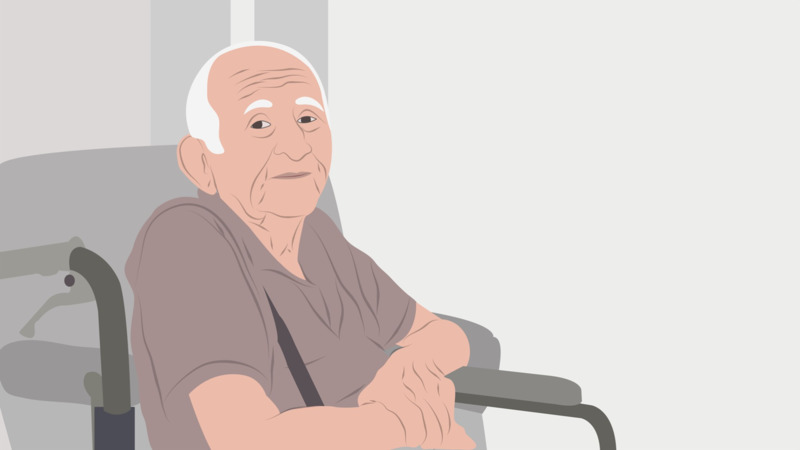
Every person deserves to age with dignity, surrounded by care and respect. Yet, for millions of older people around the world, especially women, that promise is broken every day. Behind closed doors, in homes and institutions alike, countless elders suffer in silence: neglected, exploited, or abused by those they depend on most.
This is elder abuse; a hidden epidemic that reflects how societies treat their most vulnerable.
According to the World Health Organization (WHO), about 1 in 6 people aged 60 years and older experienced some form of abuse in the past year.
In institutional settings, such as nursing homes, the numbers are even more shocking: 2 in 3 staff members admit to having committed abusive acts toward older residents.
As global life-expectancy increases, the number of people aged 60 and above will double to 2 billion by 2050, and unless immediate action is taken, the number of abuse victims will rise sharply too.
“Approximately 14% of adults aged 70 and over live with a mental disorder. Mental disorders among older adults aged 70 years or older account for 6.8% of the total years lived with disability for this age group.”
Elder abuse takes many forms: physical, emotional, sexual, financial or neglect and most cases go unreported. While both men and women experience elder abuse, older women face greater risk due to gender inequalities that persist across their lives. Many have faced domestic violence or gender-based discrimination throughout, and this vulnerability often continues into old age.
According to UN Women, older women make up a significant portion of those affected by gender-based violence (GBV), particularly emotional and financial abuse. They may suffer at the hands of spouses, adult sons, or other relatives who exploit their dependence. In some communities, widows are dispossessed of property, accused of witchcraft, or left destitute due to cultural stigmas. These abuses mirror patterns of violence long seen in women’s and girls’ lives, revealing that the cycle of GBV doesn’t end with age—it evolves.
This interconnection between elder abuse and GBV shows that protecting older people, especially women, is not just about ageing policy; it’s about gender justice and equality across all life stages. Elder abuse doesn’t exist in isolation; it is often linked with broader patterns of violence within families and communities.
Research from The Lancet Global Health reveals that households with histories of domestic violence or substance abuse are twice as likely to experience elder mistreatment.
These intergenerational links remind us that violence, if left unchecked, doesn’t fade with time—it shifts its victims.
Elder abuse doesn’t always leave visible scars. Many victims endure psychological and emotional torment: isolation, humiliation, and manipulation. Neglect—the most common form of abuse, often leaves older people malnourished, unmedicated, or living in unsafe conditions.
The silence surrounding elder abuse is rooted in fear, shame, dependence, and ageism. Many older victims hesitate to report mistreatment because they fear losing care or family relationships. Others are simply not believed; their complaints dismissed as confusion or exaggeration.
On the societal level, ageist attitudes—the belief that older people are less valuable make it easy to overlook their suffering. When youth, beauty, and productivity are glorified, the elderly become invisible and invisibility breeds neglect.
Elder abuse is not just a family issue; it is a global health and human rights crisis. It undermines the UN Sustainable Development Goals (SDGs), particularly those on health, gender equality, and peace.
Every act of abuse against an older person reflects a collective moral failure.
WHO Director-General Dr. Tedros Adhanom Ghebreyesus emphasized: “Older people carry the collective wisdom of our societies. They are valued and valuable members of our families and communities.”
Preventing elder abuse starts with awareness and compassion. Everyone has a role to play from policymakers to neighbours. Small acts like checking in on an older neighbour or standing up against ageist jokes create ripples of change. This is not just about ending abuse; it’s about creating a culture of respect that spans generations.
No one deserves to spend their final years in fear, silence, or neglect. Protecting older adults is not charity, it is justice. If we truly wish to build a safer, more compassionate world, we must start by honouring those who came before us.
Because a society that protects its elders protects its future.
Umm Habiba,
Punjab, Pakistan.