
Her decision to pursue medicine came from a deeply personal moment. A close female friend, suffering from a painful illness, confided that her experience would have been less humiliating if she had been treated by a woman rather than a man. At the time, many women avoided medical care out of embarrassment and social restriction.
That conversation changed Elizabeth’s life. She realized women needed female physicians, yet none existed. From that moment, she resolved to become one, not for prestige, but to ease the suffering of others. The road ahead was merciless.
Born on February 3, 1821, in Bristol, England, into a family guided by ideas far ahead of their time; Elizabeth Blackwell’s father, Samuel Blackwell, was a sugar refiner and a progressive thinker who believed daughters deserved the same education as sons.
This is a radical belief in the early nineteenth century when women were expected to live quiet lives cantered on marriage and domestic duties.
Her mother, Hannah Blackwell, shared that conviction, raising her children with discipline, independence, and intellectual curiosity.
Elizabeth’s childhood was rich in learning despite financial instability.
In 1832, at the age of eleven, her family emigrated to the United States, first settling in New York and later in Cincinnati, Ohio, in search of better opportunities.
Tragedy struck when her father died when she was seventeen years old leaving the family in hardship. To survive, Elizabeth and her sisters became teachers.
Teaching paid the bills, but it did not satisfy her mind. She felt she was meant for something more, even if society offered no clear path for a woman like her.
APPLYING TO MEDICAL SCHOOL
When she applied to medical schools in the 1840s, rejection followed rejection. Institutions refused her solely because she was a woman. Some administrators dismissed her politely; others openly mocked her ambition. Many believed women were too fragile, too emotional, or intellectually inferior to practice medicine.
She had no mentors, no role models, and no support system. She was attempting what no woman had done before.
In 1847, Geneva Medical College in New York accepted her, not out of respect but as a joke. Her application had been presented to male students who voted to admit her, expecting her to fail or withdraw. Instead, Elizabeth walked into one of the most hostile learning environments imaginable and stayed.
She was isolated in class, excluded from discussions, and treated as an outsider. Professors avoided involving her. Patients sometimes refused her care. Humiliation and loneliness became daily companions. Still, she refused to quit.
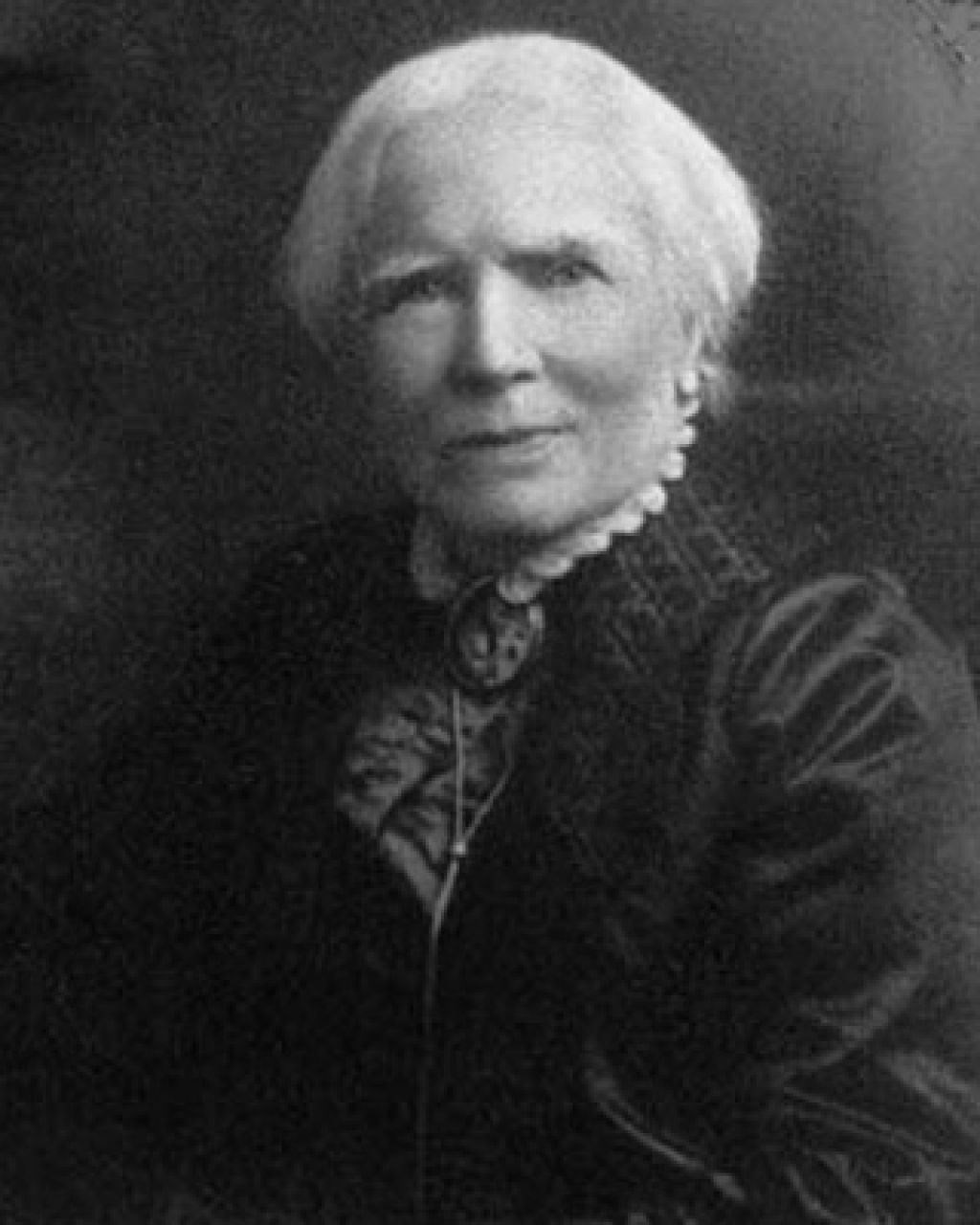
She studied relentlessly, determined to prove her competence through excellence rather than argument. In 1849, Elizabeth Blackwell graduated first in her class, becoming the first woman in the United States to earn a medical degree. A barrier that had stood for centuries had finally cracked.
Yet victory did not bring acceptance.
Hospitals refused to hire her. Male doctors declined to work alongside her. Seeking further training, she travelled to Europe. While working in a hospital in Paris, she contracted a severe eye infection from a patient. The infection permanently damaged one eye, ending her dream of becoming a surgeon, the most prestigious field in medicine.
For many, that loss would have ended everything.
For Elizabeth, it simply redirected her purpose.
If hospitals would not accept her, she would build her own.
In 1857, alongside her sister Dr. Emily Blackwell and colleague Dr. Marie Zakrzewska, she founded the New York Infirmary for Women and Children. The institution was revolutionary. Staffed largely by women physicians, it provided medical care to poor women and children while creating jobs and training opportunities for female doctors excluded elsewhere.
It proved, beyond doubt, that women were fully capable of practicing medicine at the highest professional level.
During the American Civil War, Elizabeth expanded her impact. She helped establish the Women’s Central Relief Association, organizing and training nurses to treat wounded soldiers. Her emphasis on sanitation, hygiene, and preventive care significantly improved survival rates and helped professionalize nursing.
But she knew lasting change required education.
In 1868, she founded the Woman’s Medical College of the New York Infirmary, providing formal training for aspiring female physicians.
Later, in 1874, she helped establish the London School of Medicine for Women, the first medical school for women in the United Kingdom. For the first time, British women could become licensed doctors.
Recognition followed. In 1859, she became the first woman listed on the British Medical Register.
In 1893, Hobart College awarded her an honorary Doctor of Medicine degree. She wrote influential books, lectured widely, and mentored generations of women who followed her path.
Yet her achievements came with sacrifice. She never married and devoted most of her life to her mission. Every step forward required strength, resilience, and the weight of representing all women who would come after her.
Elizabeth Blackwell died peacefully on May 31, 1910, at the age of eighty-nine.
By then, the world had begun to change. Women were entering medical schools, working in hospitals, and earning respect as physicians.
That change did not happen by chance. It happened because one woman refused to accept “NO”
Elizabeth Blackwell did more than become the first female doctor in the United States. She built hospitals, founded schools, trained nurses, mentored future physicians, and reshaped the structure of medicine itself.
She transformed rejection into revolution and isolation into opportunity.
Her legacy lives on in every woman who wears a white coat, proving that one person’s courage can change history.
Umm E. Habiba,
Punjab, Pakistan