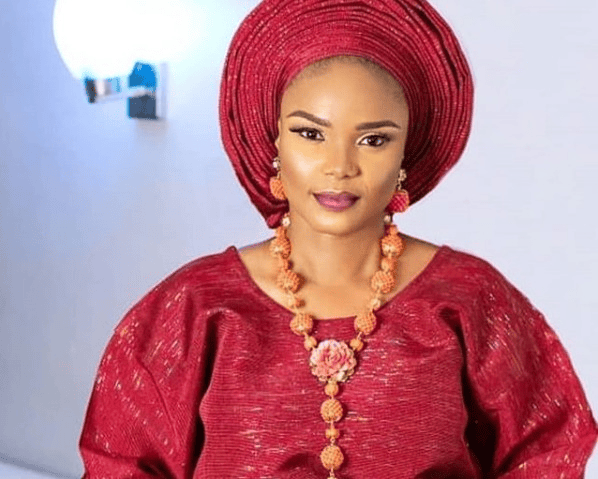
Iyabo Ojo spoke not only as a Nollywood actress, but as a woman carrying the weight of repeated trauma, silence, and survival. Her voice reflects a reality many women endure privately, especially those in the public eye who are often expected to appear untouched by pain.
She began with a message to others who may still be suffering in silence:
“I know a lot of ladies who have been through what I have been through and I feel it is time for me to talk to them and make them understand that it is okay to talk about it.”
Her words were not simply personal reflection. They were an invitation to speak, to break silence, and to confront shame that often protects perpetrators more than victims.
Her experience began at a very young age. She revealed that she was raped multiple times, first at the age of 14. At that time, she did not fully understand what had happened, but she understood fear and confusion. Speaking about it years later, she recalled how silence became her only form of survival in a society where victims were often blamed.
She described the internal struggle many survivors face, the fear of not being believed, and the burden of shame that is wrongly placed on them. Even when she considered speaking, fear of consequences and stigma kept her silent.
As she grew older, she experienced further incidents that reinforced her silence. One of the most traumatic occurred within a familiar environment, involving someone she knew and trusted. What began as a simple act of kindness turned into a moment of entrapment and violence.
She recalled how quickly the situation changed, from trust to fear, from normal conversation to danger. When she realized she was trapped, panic set in. The reality that someone she knew could turn violent was a turning point in her understanding of safety.
In that moment, survival became her only focus. She resisted, but the threat escalated, and she was forced into a situation where compliance became the only way to stay alive. It was not choice. It was survival under threat.
After escaping, the emotional impact was overwhelming. She described breaking down alone, finally releasing the fear and pain she had been forced to hold in.
“I just went straight upstairs and climbed into the bath tub and just started crying. I cried my heart out.”
Even in the aftermath, silence remained part of her coping mechanism. She chose not to tell others, fearing consequences and further violence. Like many survivors, she carried the burden alone.
Years later, even after marriage and motherhood, she faced another traumatic experience during a robbery attack in her home. It reinforced a painful reality. Violence, in different forms, can reappear at any stage of life.
Despite everything, she eventually found her voice.
“You never get over it, but it gets to a stage in your life whereby it becomes a story to tell.”
Her testimony reflects a difficult truth. Trauma does not always disappear, but it can be spoken about, and in speaking, it can lose some of its power to isolate.
She also shared a message for other survivors:
“It’s not easy to talk about rape. No matter how much you talk about it, you have to realize that it is painful, but you are not alone.”
Her story is not just about pain. It is about endurance, silence, survival, and eventually, voice.
Behind fame and public success, there are often hidden battles that never appear on screen. And sometimes, courage is not found in what is seen, but in what is finally said.
By UMM E HABIBA | Punjab, Pakistan