

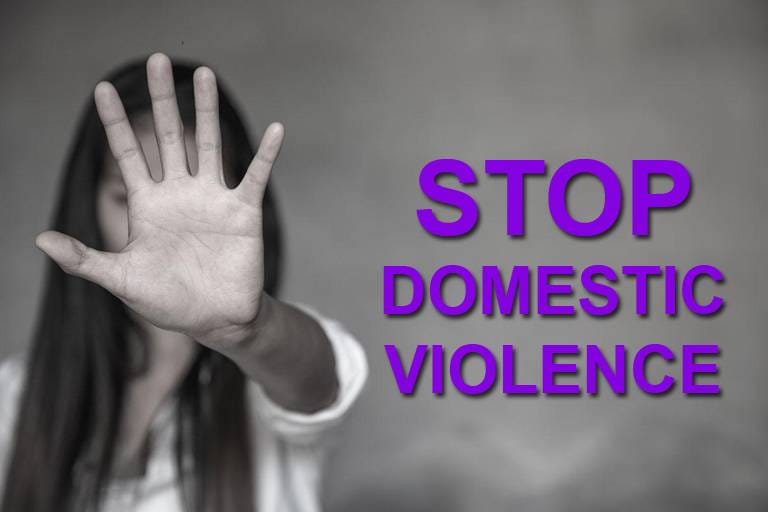
Domestic violence is one of the most painful realities many women experience behind closed doors. It remains one of the least openly discussed issues in society. It exists in homes that appear peaceful from the outside, in marriages people admire publicly, and in relationships where silence has become a survival mechanism.
For many women, violence does not begin with bruises. It often begins quietly through control, intimidation, humiliation, manipulation, threats, and emotional degradation. Over time, what starts as emotional abuse can become physical violence, leaving scars that are both visible and invisible.
Domestic violence refers to abusive behavior used by one person to control or dominate another within a relationship or household. It can be physical, emotional, psychological, sexual, or financial. While men can also experience abuse, women remain the most affected globally, particularly in societies where cultural expectations discourage them from speaking openly.
In many African communities, silence surrounds domestic violence more than the violence itself.
Women are often encouraged to endure rather than speak. They are told to protect the image of the marriage, to remain patient, and to avoid bringing “family matters” outside the home. Because of this, many women suffer quietly while appearing normal in public.
A woman may arrive at gatherings smiling while hiding emotional exhaustion underneath. She may continue caring for children, cooking meals, and attending social events while privately living in fear.
The silence becomes part of daily life.
One woman once shared how, during the early years of her marriage, arguments slowly became insults. The insults became threats. The threats became physical violence. Each time she considered speaking, she was reminded of what people would say if she left.
“Think about your children.”
“Marriage is not easy.”
“Every home has problems.”
So she stayed silent.
Another woman described how she became emotionally isolated long before physical violence began. Her husband controlled who she spoke to, criticized her constantly, and made her feel incapable of surviving independently. By the time physical abuse happened, her confidence had already been broken.
This is one of the most dangerous aspects of domestic violence. It often destroys self worth before it destroys safety.
Many survivors describe living in constant anxiety, carefully monitoring tone, words, and behavior to avoid triggering conflict. Home, which should be a place of security, becomes a place of emotional tension.
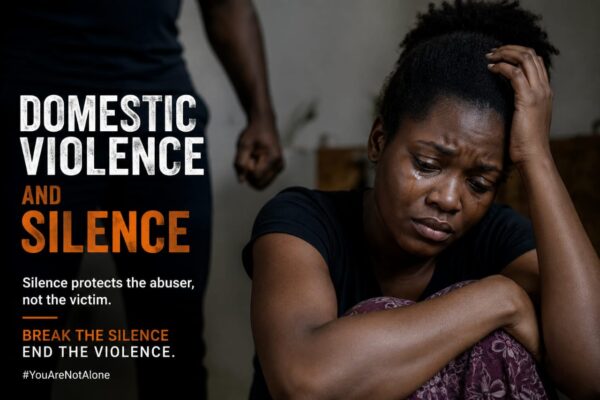
Children who grow up in violent homes are also deeply affected. Even when they are not directly abused, witnessing violence can shape their emotional development, relationships, and understanding of love and family. Some grow up believing silence is normal. Others carry fear and trauma into adulthood.
Despite these consequences, domestic violence is still frequently minimized.
Some people reduce it to “couple issues.” Others treat it as private family business. In certain cases, victims are blamed for provoking abuse or pressured into reconciliation without accountability for the abuser.
This culture of silence protects violence more than it protects families.
Religion and culture are also sometimes used incorrectly to encourage endurance without addressing safety, justice, or emotional wellbeing. Patience is important in relationships, but patience should never mean accepting abuse.
No one deserves violence in the name of love.
No one deserves to live in fear inside their own home.
Understanding domestic violence also means recognizing that abuse is not always physical. Emotional abuse can be equally damaging. Constant insults, threats, manipulation, public humiliation, isolation, and financial control can deeply affect a person’s mental health and self esteem.
Over time, many victims begin to lose confidence in their own judgment. They may feel trapped, ashamed, or afraid of starting over. Some remain because of financial dependence. Others stay because of children, social pressure, fear of stigma, or hope that the abuser will change.
This is why support systems matter.
Victims need safe spaces where they can speak without judgment. They need families and communities that prioritize protection over reputation. They need access to counseling, legal protection, shelters, and emotional support.
Most importantly, they need to be believed.
Too often, society asks victims why they stayed instead of asking why abuse was tolerated for so long.
Domestic violence is not a private weakness hidden inside homes. It is a social issue with emotional, psychological, and physical consequences that affect individuals, families, and communities.
Silence does not reduce violence. It allows it to continue unseen.
Breaking that silence does not destroy families. Sometimes, it is the first step toward saving lives.
By Almustapha Bishir Jume