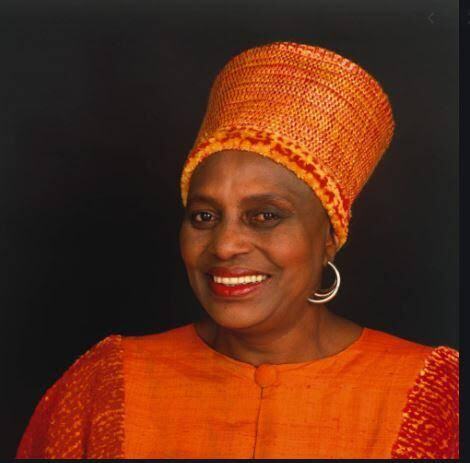
There are voices that entertain the world, and then there are voices that transform it.
The voice of Miriam Makeba did both.
Long before African music became celebrated on global stages, before the world embraced Afrobeats and African rhythms with pride, there was a woman standing before international audiences clothed in grace, strength, and tradition, singing not only melodies, but truth. Her music carried the heartbeat of Africa, while her courage carried the pain and hope of millions.
The world came to know her as Mama Africa.
But behind the elegance, the iconic headwraps, and the rich voice capable of silencing an entire room within seconds, was a woman who endured exile, racism, political persecution, heartbreak, and loss, yet still chose to sing.
Miriam Makeba was born in 1932 in Johannesburg during one of the darkest eras of racial oppression in South Africa. Apartheid had not yet been officially institutionalized, but segregation and injustice already controlled everyday life. Her mother worked as a domestic worker and traditional healer, while her father worked as a clerk. Poverty surrounded the family, but so did music.
Music existed everywhere. It lived in church choirs, family gatherings, crowded streets, and in the voices of Black South Africans who used songs as a form of survival. Young Miriam absorbed every sound around her. She grew up listening to traditional African harmonies and local rhythms that would later shape the unforgettable style the world would come to admire.
Yet life was never gentle with her.
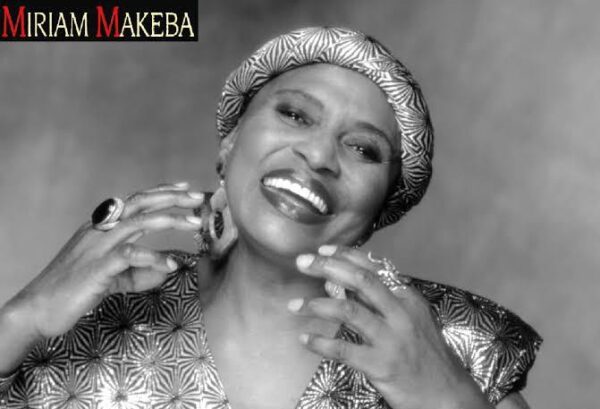
At only eighteen days old, she spent six months in prison alongside her mother after her mother was accused of illegally brewing traditional beer. It was Miriam’s first encounter with the cruelty of a system designed to break Black families apart. She could not have imagined then that one day she would stand before the United Nations condemning that same system before the entire world.
As a young woman, Makeba began singing professionally with groups such as the Manhattan Brothers and later the all female group The Skylarks. Her voice was impossible to ignore. It was smooth, emotional, and deeply African. At a time when Western music dominated international stages, she proudly sang in Xhosa, Zulu, and Swahili, refusing to abandon her identity for acceptance.
Then came the moment that changed everything.
In 1959, she appeared in the anti apartheid documentary Come Back, Africa, a film that exposed the brutal realities faced by Black South Africans under apartheid. The South African government reacted with anger. Shortly after leaving the country for an international performance, Makeba discovered that she had been banned from returning home.
Her passport was revoked.
Her citizenship was stripped away.
She became an exile.
Imagine building a career while carrying the pain of being unable to return home, unable to bury loved ones, unable to walk through the streets of your childhood, unable to embrace your country again. Yet even in exile, Miriam Makeba transformed pain into purpose.
She relocated to the United States and quickly captured international attention. Her performances were magnetic. Audiences were fascinated not only by her voice, but by her authenticity. She did not imitate Western stars. She arrived exactly as herself, proudly African, politically conscious, and unapologetically Black.
Songs like Pata Pata became international sensations. The song was joyful, rhythmic, and irresistible. Yet while audiences danced, Makeba continued speaking about apartheid everywhere she went. She understood something many entertainers feared to acknowledge. Fame could become a weapon against injustice.
And she used it fearlessly.
At the height of her success, many artists avoided politics to protect their careers. Makeba chose the opposite path. She spoke openly about racism in South Africa before global audiences that often preferred comfort over confrontation. She testified before the United Nations several times, urging world leaders to take action against apartheid.
Her speeches were calm, but piercing.
She spoke not as a politician, but as a daughter of Africa grieving for her people.
That activism came with consequences.
Her association with Black civil rights leaders in America, including Stokely Carmichael, triggered backlash during a period of severe racial tension in the United States. Concerts were cancelled. Opportunities disappeared. Once again, politics threatened her career.
Still, Miriam Makeba refused to separate art from justice.
To her, singing while remaining silent about suffering was impossible.
Over the years, she became far more than a musician. She became a symbol of African dignity. In a world that often reduced Africa to stereotypes of poverty and conflict, Makeba embodied elegance, intelligence, culture, and excellence. She wore African clothing proudly on international stages. She celebrated African languages when many believed success demanded abandoning them. She carried Africa with pride long before the world considered it fashionable.
Her influence extended far beyond music. She inspired generations of African artists to embrace their roots instead of hiding them. Today, countless musicians who celebrate African identity walk through doors that Miriam Makeba helped open.
Yet her personal life remained filled with heartbreak.
She endured failed marriages, financial difficulties, political isolation, and the devastating loss of her daughter, Bongi Makeba. That grief nearly destroyed her. For a time, she withdrew quietly from public life, carrying sorrow in silence.
Still, she returned to music.
Still, she returned to activism.
Still, she continued to sing.
When apartheid finally began to collapse and Nelson Mandela was released from prison in 1990, one of his personal requests was for Miriam Makeba to return home. After more than thirty years in exile, she finally stepped once again onto South African soil.
The moment was emotional beyond words.
She was no longer simply a singer returning home. She was a daughter of the nation coming back after surviving decades of forced separation.
Even in her later years, Makeba remained committed to justice. She spoke against war, poverty, racism, and discrimination across Africa and beyond. She believed artists carried a responsibility not only to applause, but to humanity itself.
In 2008, at the age of seventy six, Miriam Makeba collapsed after performing at a concert in Italy dedicated to speaking against organized crime and violence. She died doing what she had always done, using her voice for a cause greater than herself.
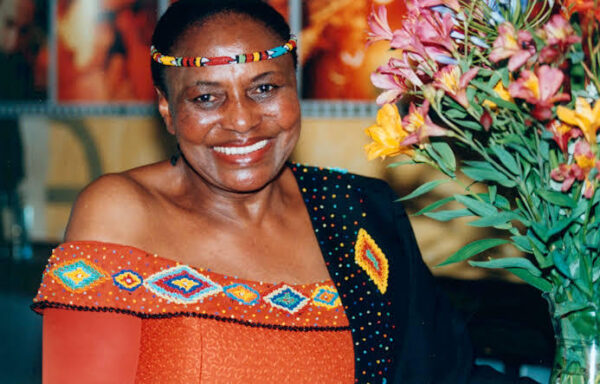
That is what makes her a Shero.
Not simply because she was talented.
Not simply because she became famous.
But because she chose courage again and again, even when silence would have been easier.
Miriam Makeba proved that a woman’s voice can travel farther than borders, louder than oppression, and deeper than fear. She transformed songs into resistance, culture into power, and pain into purpose.
Today, as African music fills global arenas and African voices continue to rise across the world, part of that journey still carries the footprints of Mama Africa.
She sang for freedom before freedom arrived.
And because she refused to be silent, the world listened.
By Rukayya Muhammad Adam