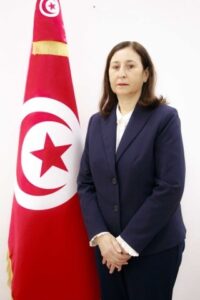

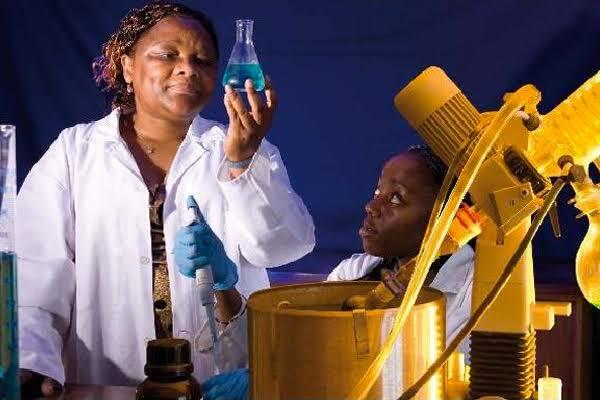
Tebello Nyokong is a world-leading chemist whose research has reshaped modern understanding of photodynamic therapy and its application in cancer treatment. Her work connects chemistry with medicine in ways that continue to influence global efforts to develop more precise and less invasive cancer therapies.
Born in 1951 in Lesotho, she grew up during a time when access to higher education for women, especially in science-based fields, was limited. Despite these limitations, she pursued education with focus and determination, building a foundation that would eventually lead her into one of the most demanding and respected fields in science. She later advanced her studies in chemistry and earned her PhD from the University of Western Ontario in Canada, where she specialized in physical chemistry. After completing her doctoral studies, she returned to Africa, choosing to build her academic and research career on the continent.
Her scientific identity is strongly defined by her work in photodynamic therapy, a field of medicine and chemistry that uses light-activated compounds to treat diseases such as cancer. In this area, her research focuses on photosensitizers, which are chemical compounds that remain inactive until exposed to specific wavelengths of light. Once activated, they produce reactive oxygen species that can destroy cancer cells in a targeted manner. This method has attracted global attention because of its potential to minimize damage to surrounding healthy tissue compared to conventional cancer treatments.
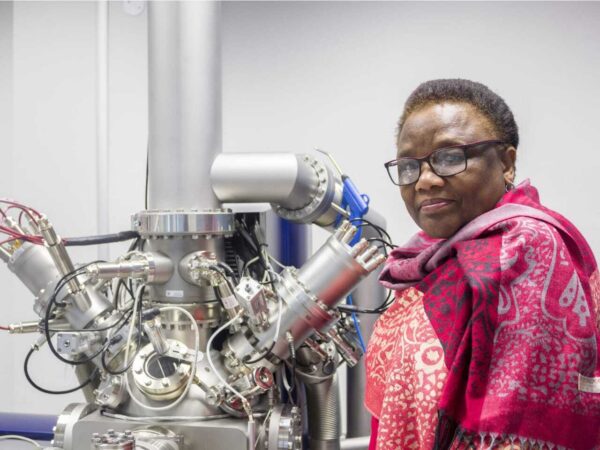
A major focus of her research has been on metal phthalocyanines, a group of compounds known for their stability, strong light absorption, and suitability for chemical modification. She has worked extensively on improving the structure and efficiency of these compounds to make them more effective in photodynamic therapy applications. Her research includes studying how different chemical modifications affect their ability to absorb light and generate therapeutic reactions, which is critical for improving treatment outcomes.
One of her widely recognized research contributions includes studies on zinc and aluminium phthalocyanine complexes, where she investigated how structural variations influence their photophysical and photochemical properties. These findings have contributed to a deeper scientific understanding of how such compounds behave in biological systems, particularly in cancer treatment environments. Her work has also extended into nanotechnology-based drug delivery systems, exploring how these compounds can be better transported and activated within the human body.
Her academic output is extensive, with hundreds of peer-reviewed publications in internationally recognized scientific journals. She has contributed to advancing global knowledge in applied chemistry, photochemistry, and medicinal chemistry. Her research is frequently cited in studies focused on cancer treatment innovation, particularly those exploring light-based therapeutic techniques and chemical targeting systems.
Beyond her laboratory research, she has played a significant role in developing scientific capacity in Africa. She has supervised numerous master’s and doctoral students, many of whom have gone on to build careers in academia, industry, and research institutions. Her mentorship approach emphasizes discipline, consistency, and scientific rigor, helping young researchers develop the skills needed to contribute meaningfully to global science.
Throughout her career, she has received several prestigious honours. She was awarded the L’Oréal-UNESCO Award for Women in Science for Africa and the Arab States, recognizing her outstanding scientific contribution and her role in promoting women in science. She also received the National Research Foundation Lifetime Achievement Award in South Africa, one of the highest scientific recognitions in the country. In addition, she is a Fellow of the African Academy of Sciences and The World Academy of Sciences, reflecting her international scientific standing. She has also received multiple honorary doctorates from universities across Africa and beyond in recognition of her research impact and academic leadership.
She holds the position of Distinguished Professor of Chemistry at Rhodes University in South Africa, where she leads advanced research programs in chemistry and photodynamic therapy. Her work at the institution has helped strengthen research infrastructure and expand opportunities for young African scientists, particularly in the fields of chemical and medical research.
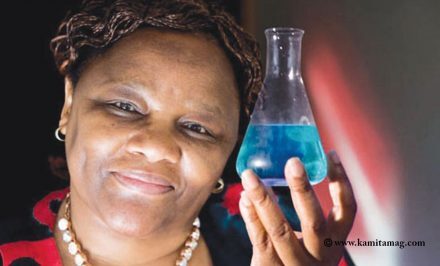
Her career reflects decades of sustained contribution to science, particularly in cancer-related chemistry. Her research continues to influence ongoing developments in photodynamic therapy, including efforts to improve drug efficiency, targeting accuracy, and treatment safety. These advancements remain relevant in global research aimed at finding better cancer treatment options.
Today Tebello Nyokong stands as a leading figure in global science. Her influence extends beyond her publications and laboratory achievements. It is also visible in the growing presence of African scientists in global research spaces, many of whom trace part of their inspiration to her work and academic leadership.
Her legacy is built on scientific excellence, sustained innovation, and a commitment to advancing knowledge that directly addresses human health challenges. Through her contributions to chemistry and cancer research, she has helped redefine what is possible in the intersection of science and medicine.
Almustapha Bishir Jume