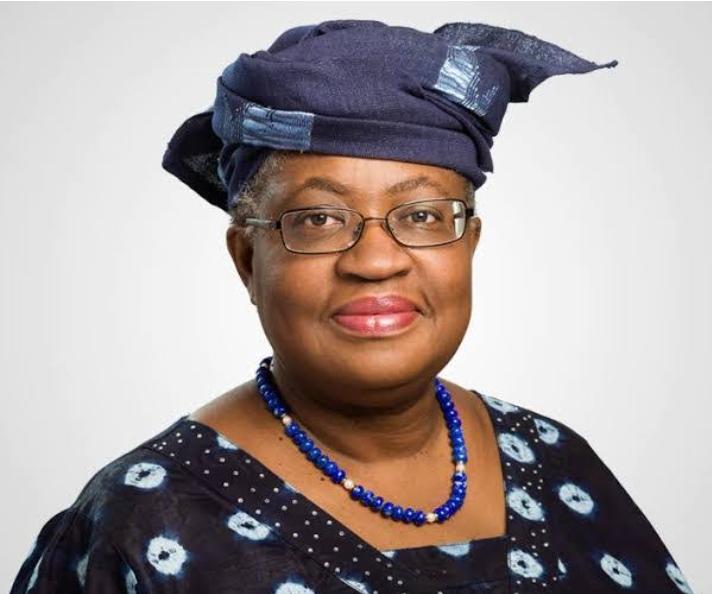
Few Nigerians have carried their country’s name across the world with as much distinction as Ngozi Okonjo-Iweala.
For decades, she has worked in spaces where Africans, particularly African women, were rarely represented. She has advised governments, shaped economic policy, negotiated reforms, and taken on responsibilities that placed her at the centre of global financial decision-making. Over time, she developed a reputation for clarity of thought, discipline in public service, and a steady approach to complex economic challenges.
Today, she is recognized as one of Africa’s leading voices in economics and international affairs. Her public life reflects years of service, difficult decisions, and sustained engagement with work that demands technical depth and patience.
From her early years in Nigeria to becoming the first woman and the first African to lead the World Trade Organization, her journey reflects what becomes possible when preparation meets opportunity.
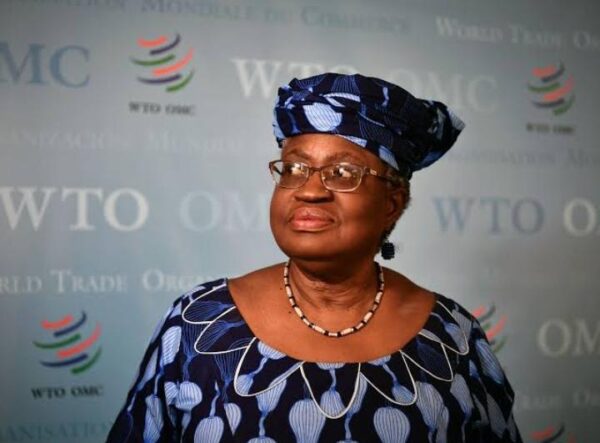
She was born on June 13, 1954, in Nigeria, into a family that placed strong value on education and public responsibility. Her father was a traditional ruler, and her upbringing was shaped by structure, learning, and early exposure to leadership within her community. Growing up, she observed both the strengths and struggles of a developing society, where communities worked to improve their circumstances and education remained a central path toward progress.
From an early age, she developed a strong focus on learning and an awareness of how education could shape future possibilities. While many girls of her generation were guided toward narrow expectations, she pursued academic growth with consistency and curiosity, building a foundation for the years ahead.
Her academic journey later took her to the United States, where she studied Economics at Harvard University before proceeding to the Massachusetts Institute of Technology, where she earned a doctorate in Regional Economics and Development. At a time when few African women were present in such academic spaces, her education placed her within global discussions on development and economic policy, shaping the direction of her professional life.
After completing her studies, she joined the World Bank, where she spent more than two decades working on development policy and economic reform. Her work focused on addressing challenges faced by developing countries and contributing to strategies aimed at improving economic outcomes. Over time, she rose into senior leadership positions, gaining experience that deepened her understanding of global economic systems and public institutions.
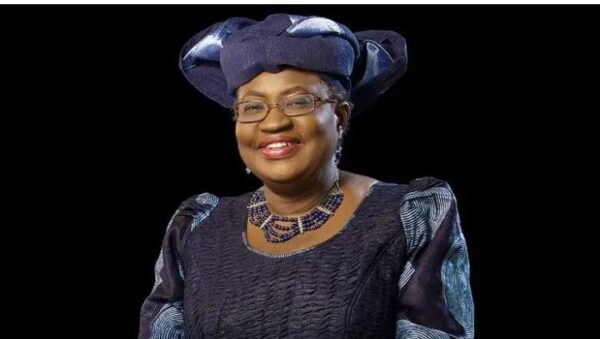
She later returned to Nigeria to serve as Minister of Finance, stepping into a role at the centre of national economic planning during a period marked by structural and financial challenges. The position required managing public resources, coordinating reforms, and engaging with institutions responsible for economic stability. It also involved navigating policy decisions that attracted public scrutiny and political pressure. Through this period, she remained focused on institutional reform and economic management within a demanding environment.
In 2021, she was appointed Director-General of the World Trade Organization, becoming the first woman and the first African to hold the position. The appointment reflected decades of experience in economic policy, international development, and public service, and marked a significant shift in the leadership history of global trade governance.
Across her career, she has been associated with professionalism, technical depth, and a structured approach to economic reform. Her work has consistently placed her in environments that require negotiation, analysis, and sustained engagement with complex systems of governance and finance.
Her journey moves across countries, institutions, and decades of public service. It reflects a life shaped by education, discipline, and long-term commitment to economic policy at both national and international levels. From Nigeria to global leadership, her story shows what can unfold when preparation, responsibility, and opportunity intersect.
By Rukayya Muhammad Adam