In Nigeria, women make up nearly half of the population but remain largely excluded from formal finance.
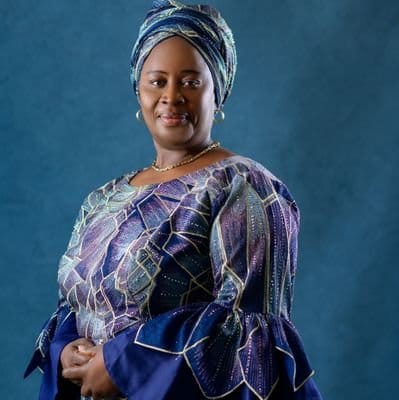
Beatrice Eyong the UN Women Country Representative Leads the Call for Inclusive Finance as the call for gender-responsive investment is growing louder.
The UN Women Country Representative to Nigeria and ECOWAS, is urging government and private sector leaders to adopt gender bonds — an innovative financial instruments dedicated to empowering women and closing the gender finance gap.
According to Eyong, Empowering women is not charity; it is a smart investment in the economy.
WOMEN LEFT OUT OF FINANCIAL SYSTEMS
Despite their dominance in small business and trade, women in Nigeria are still 20% less likely than men to own a bank account or access credit. The reasons, Eyong explained, are both structural and cultural — from gender-biased lending requirements to limited asset ownership. She says…
We cannot continue to design economic systems that overlook half of our population. When women are excluded, the entire economy suffers.
THE PROMISE OF GENDER BONDS
The UN Women, in partnership with FSD Africa, has launched the Gender Bonds Toolkit for Africa — a guide to help African nations issue bonds that finance women-focused initiatives such as entrepreneurship, healthcare, education, and infrastructure.
Gender bonds, similar to green or social bonds are channel investments toward projects that have measurable gender impacts.
It’s not enough to call it a gender bond. There must be clear accountability to ensure women benefit directly.
Beatrice Eyong
UN WOMEN’S THREE PILLARS IN NIGERIA
Eyong outlined the organization’s three-pillar approach to achieving equality:
- Normative Work – Advocating the implementation of gender laws like the VAPP Act.
- Coordination – Aligning federal, state, and civil society actions.
- Operational Work – Implementing projects that expand women’s financial inclusion and leadership.
NIGERIA’S OPPORTUNITY
Eyong believes Nigeria is well positioned to lead West Africa in gender-focused finance if the federal government and financial institutions collaborate. She called for the Ministry of Finance, Securities and Exchange Commission (SEC), and development banks to create an enabling framework for gender bond issuance.
We must move from policy to practice. When women have access to finance, they transform families, communities, and the nation.
TOWARD SHARED PROSPERITY
Eyong stressed that Gender bonds are not just about equality but about economic growth and national prosperity. Studies show that bridging Nigeria’s gender finance gap could add billions to its GDP.
When you empower a woman financially, you empower a nation; she added.
James, Nkoyomabasi E.
Abuja, Nigeria.