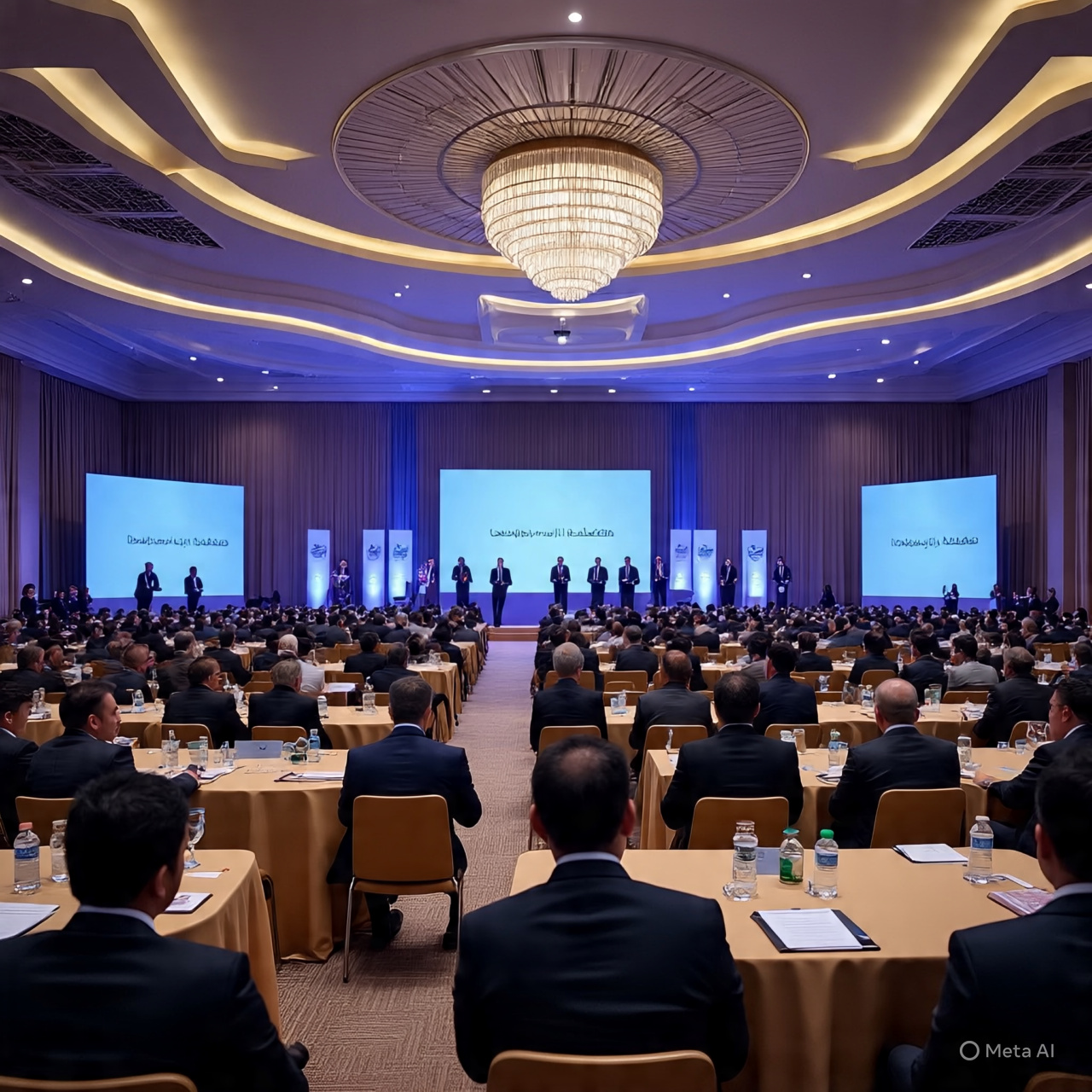
As world leaders and development institutions converge in Doha for the Second World Summit for Social Development (WSSD2), the message from UN Women is unmistakable: genuine social progress cannot occur without women at the center of policy design and implementation.
For Nigeria, this call comes at a critical time when social inequality, youth unemployment, gender-based disparities, and economic shocks continue to widen vulnerability.
The Summit, held nearly three decades after the landmark 1995 Copenhagen Declaration, aims to revive global commitment to social advancement—placing social protection, decent work, and inclusive development back on the global agenda. For countries like Nigeria, the conversations in Doha offer not just participation, but direction on:
- Nigeria’s Social Reality as today’s Nigeria sits at the intersection of structural challenges and new opportunities:
- Rising poverty rates amid economic reforms
- Increasing cost of food, housing, and healthcare
- Millions of women in informal work without social or economic safety nets
- A rapidly growing youth population in need of jobs and training
- Persistent gender-based violence and unpaid care burdens borne by women
- Digital transformation advancing faster than digital inclusion
These realities underline why UN Women’s focus on gender- and age-responsive social solutions is not abstract diplomacy—it is a roadmap for Nigeria’s sustainable future.
The Care Economy: Nigeria’s Untapped Powerhouse
Women form the backbone of Nigeria’s care system—raising children, supporting elderly relatives, running households, and often doing so while engaging in informal labor. Yet this essential care work remains undervalued, unmeasured, and unsupported.
As UN Women pushes for global commitments that recognize, invest in, and professionalize the care economy, Nigeria has an opportunity to:
- Establish national care policies
- Invest in early childhood centers and elder-care systems
- Train and formalize care workers
- Provide social insurance and pension systems inclusive of informal workers
In doing so, the country would not only uplift millions of women but also unlock new employment sectors and strengthen family wellbeing.
Social Protection Must Work for Women
Nigeria’s social investment programme have made progress, yet many women—especially older women and those in rural and informal sectors—remain excluded. The Doha discussions made it clear:
Social safety nets must be universal, inclusive, and gender-responsive.
Improved cash transfer programmes, community health insurance schemes, pension inclusion, and digital financial education programmes are no longer optional—they are essential.
A National Imperative
Nigeria must view Doha not as a distant diplomatic event, but as a mirror reflecting pressing domestic priorities. Strengthening social systems is not charity—it is nation-building. When Nigerian women thrive, households stabilize, productivity rises, and national development accelerates.
Political leaders, corporate executives, civil society actors, and development partners must therefore align in translating global commitments into Nigerian realities. The world will adopt a Doha Political Declaration. Nigeria must follow with Nigerian action.
The vision for inclusive growth will only materialize when development recognizes the contributions, needs, and rights of women at every stage of life.
Take Aways
As UN Women champions gender-responsive social development on the global stage, Nigeria has a historic opening to rethink and rebuild its own social contract. The Doha Summit’s outcome will matter—but what Nigeria does with it will matter more.
Inclusive policies. Dignity for workers. Social safety for all. Recognition of unpaid care. Women at the policy table.
This is not just a global agenda—it is Nigeria’s obligation to its citizens and its future.
James Nkyomabasi E
Abuja, Nigeria.