
Nigeria, the GIANT of Africa is sorely missing in the women’s political and leadership inclusion index. For decades, women have powered Nigeria, yet remain missing where decisions are made.
The country currently ranks 178th out of 182 nations in female representation in parliament with women occupying only 3.9% of seats in the House of Representatives and 2.8% in the Senate.
The Global Gender Gap Report of 2025 ranked Nigeria 143rd out of 144 countries for women’s political participation, and a score of 0.040, slightly down from 0.041 in 2024. The report also stated that Nigeria has had zero years with a female Governor or head of state over the past 65 years.
- There are currently only 4.2% women out of the 469-members in the 10th National Assembly
- There are only 8.8% of women in ministerial positions; a downslide from 17.6% in 2024.
- Only 2.7% of women in the Senate and 4.7% in the House of Representatives.
It was not always like this. Nigerian women’s representation in politics has not always been this low. Nigeria has in the seen periods of significant female participation in politics.
- Women played prominent roles in politics and warfare with figures like Queen Amina of Zazzau,
- Funmilayo R. Kuti, and Margaret Ekpo lead charge during tirst Republic (1960-1966):.
- In the 1960s-1970s Women like Mrs. F.R. Adebayo, Mrs. Janet Akinrinade, and Chief (Mrs.) Remi Fani-Kayode held prominent positions, including ministerial roles.
- And in 1999-2007: Women Florence Ita Giwa, Khairat Abdulrazaq Gwadabe, Gbemisola Saraki, Joy Emodi and Daisy Danjuma held sentorial positions witnessing an increased in female representation in politics at that era.
However, over the years, women’s representation in politics has fluctuated, with periods of decline. WHAT WENT WRONG?
The 2019 elections, for example, saw a significant drop in female representation, with only 7 women elected to the House of Representatives and 2 to the Senate.
Factors Contributing to the decline may but also may not be limited to:
- Cultural and societal norms: Patriarchal attitudes and biases limiting women’s participation.
- Lack of support: Insufficient funding, resources, and networks for women in politics.
- Violence and intimidation: Women facing harassment, threats, and violence in the political sphere.
Efforts are ongoing to address these challenges and increase women’s representation in Nigerian politics with more attention going into advocacy for a 35% affirmative action policy and the introduction of a bill to reserve seats for women in parliament
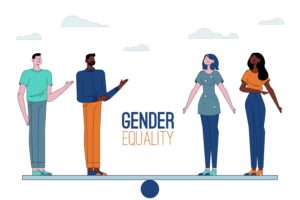
That women are half of Nigeria’s population, but not half it’s leaders should not be the norm in 2025. Only 21 out of 469 in the National Assembly are women, 0/36 Governors are women, 49 out of 988 in State Assemblies are women, and only 41 out of 811 in Local Governments are women. And in the corporate space, only 5 out of 50 head board chairs.
These gaps are systemic.
This isn’t about favor to women; it is about fairness, policy, and power.
To amplify advocacy and demand for action, the Women in Leadership Advancement Network recently launched the #ItsHerTurn campaign.
On behalf of WILAN, Sheroes Rising for Development Initiative invites you all to join the campaign and be a part of the movement.
Because time is long overdue for women to take their seats at the table.