Stakeholders in Nigeria’s cancer control space have called for stronger financing, wider screening coverage and coordinated leadership to tackle the country’s rising cancer burden, as the Call Off Cancer Initiative (COCI) convened a World Cancer Day policy dialogue themed “From Dialogue to Action: Commitments Beyond World Cancer Day.”
The forum, organised in partnership with Everight Healthcare Foundation and Nona Cancer Foundation under the Women as Catalyst Forum (WACF 2026), brought together clinicians, public-health experts, civil society actors and development partners to move conversations on cancer from advocacy to measurable commitments.
The event, held at Everight Diagnostic & Laboratory Services, Wuse 2, brought together health professionals, advocates, survivors and members of the public to promote early detection, prevention and access to treatment.
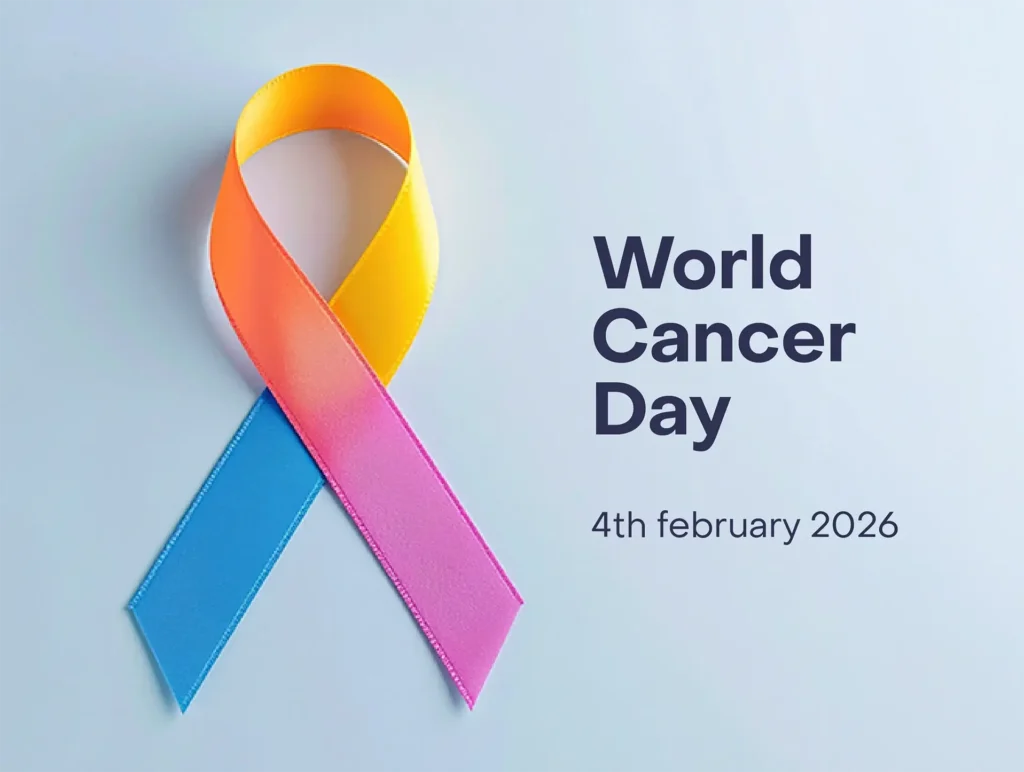
World Cancer Day, observed every 4 February, is a global campaign dedicated to raising awareness and encouraging governments, organisations and individuals to reduce cancer-related deaths through education and improved healthcare access.
Founder of COCI, Dr. Ummi Musa Umar, a radiotherapy and public-health specialist, said the aim was to replace annual awareness campaigns with sustained interventions.
“We must stop treating cancer conversations as something that happens only every 4th of February. Across communities and health systems, women already hold fragile structures together — navigating care pathways, financing treatment and advocating for patients. But effort is not the same as support, and leadership is not the same as recognition.”
She explained that discussions were structured around four action areas — policy and systems, financing and resources, partnerships and collaboration, and leadership and accountability — to generate concrete outcomes beyond the commemorative day.
Participants repeatedly highlighted the cost of screening and treatment as a major obstacle to early detection.
Medical volunteers at the outreach conducted risk assessments and advised participants on symptoms, lifestyle modification and when to seek immediate medical attention.
Representatives of Everight Healthcare Foundation explained that partnerships between advocacy groups and diagnostic centres are critical in improving early detection rates.
They added that community-based education remains one of the most effective tools in reducing preventable deaths from breast, cervical and prostate cancers.
A clinician at the forum noted that while screening is often presented as accessible, patients still pay significant out-of-pocket costs.
“Insurance policies say screening is covered, but in reality many HMOs do not pay for it,” the doctor said, citing cervical screening and mammograms that can cost tens of thousands of naira. “For many indigent patients, that is several months’ income.”
Public-health professionals also stressed the need to strengthen primary healthcare diagnostics, particularly in rural areas.
A representative of a public-health organisation said investment at the primary care level would significantly improve early detection.
“People living outside urban centres cannot access tertiary hospitals easily. If primary health centres have diagnostic capacity, detection will happen earlier and survival will improve,” the participant said.
Officials from the National Primary Health Care Development Agency acknowledged progress in HPV vaccination for girls but said coverage remained uneven due to low awareness and missed adolescent immunisation opportunities.
Speakers also urged policymakers to consider vaccinating boys to improve herd immunity against cervical cancer-causing human papillomavirus.
Another recurring concern was fragmented interventions by partners.
A development programme officer warned that multiple organisations often implement identical projects in the same communities while other areas remain underserved.
“Sometimes five partners work with the same population using similar resources. Better coordination with government databases would prevent duplication and expand coverage,” she said.
A cancer survivor who spoke at the event recounted facing stigma and financial hardship during treatment but said family support and awareness were crucial to survival.
She urged participants to promote early testing and emotional support for patients.
“Encouragement keeps people alive. Awareness is not just medical — it is human,” she said.
Health advocates at the meeting emphasised that cancer control requires integrated leadership linking advocacy, diagnosis and treatment.
They warned that the disease is driving catastrophic household spending, pushing families into poverty due to prolonged care costs.
Participants agreed to develop follow-up commitments and collaborative actions after the forum, rather than limiting engagement to annual campaigns.
“This is not about optics,” Dr. Umar said. “We want measurable impact — policies implemented, screenings expanded and partnerships that actually save lives.”
The organisers said outcomes from the dialogue would feed into broader national advocacy and stakeholder engagement efforts aimed at improving cancer prevention, detection and treatment across Nigeria.
By Tahir Ahmad
Abuja, Nigeria