
Across Nigeria’s rapidly expanding cities—Abuja, Lagos, Ibadan, Port Harcourt, Kano and beyond, urban transportation has become one of the most dangerous spaces for women.
What should be a routine act of daily commuting has evolved into a gendered urban security crisis, marked by fear, violence and shrinking freedoms.
At the centre of this crisis is the rise of “one-chance” criminal syndicates, highly organised gangs operating within city centres using informal transport systems to rob, abduct, traffic, torture and, in some cases, kill women for ransom or ritual purposes. These crimes flourish where transport systems are unregulated. Surveillance is weak and state control over commuter corridors has eroded.
The consequences of unsafe transport ripple far beyond the roads. Fear increasingly determines when women move, where they go, the jobs they accept and whether they pursue education, healthcare, or civic participation. Many women restrict movement after certain hours, decline economic opportunities, or spend a disproportionate share of their income on perceived “safer” transport options.
This invisible tax on women’s mobility deepens economic inequality, reinforces gender exclusion and undermines the promise of inclusive urban development. A city where women cannot move freely is not a functioning city, it is a failing one.
The psychological toll is devastating. Survivors of commuting-related violence often live with long-term trauma, anxiety and a deep erosion of trust in public institutions meant to protect them.
From a governance perspective, unsafe roads are a symptom of weak state authority. They signal gaps in urban management, law enforcement and regulatory oversight conditions that organised criminal networks exploit to expand kidnapping, trafficking and extortion economies.
Laws Exist, Enforcement Does Not
Nigeria is not lacking in legal instruments to address this crisis. What is missing is effective coordination and enforcement. The Federal Road Safety Corps (FRSC), established under the FRSC (Establishment) Act, 2007, is mandated to regulate, enforce and coordinate road safety administration nationwide. Its powers include enforcing traffic laws, ensuring vehicle roadworthiness, regulating commercial transport operations, maintaining driver and vehicle databases and removing unsafe vehicles from circulation.
In the context of women’s safety, FRSC marshals can play a critical preventive role by:
1. Enforcing driver identification and profiling.
2. Curbing unregistered and poorly maintained vehicles.
3. Monitoring commercial transport corridors.
4. Collaborating with the Nigerian Police Force and the Nigeria Security and Civil Defence Corps on intelligence sharing and joint patrols.
5. Reducing anonymity on the roads directly weakens the operational advantage of “one-chance” criminals.
Complementary frameworks such as the Violence Against Persons (Prohibition) Act (VAPP) and state-level transport regulations, including those involving the National Union of Road Transport Workers (NURTW), already provide legal grounds to prosecute transport-related violence and trafficking. Yet, fragmented enforcement and weak inter-agency coordination continue to blunt their impact.
Enforcement and Protection: Key interventions should include:
1. Biometric registration and verification of commercial drivers.
2. Vehicle traceability and digital transport records.
3. Regulated pick-up and drop-off points.
4. CCTV coverage and functional street lighting along commuter routes.
5. Joint patrols involving FRSC, police, and other security agencies in high-risk corridors.
Creating safe cities is not a luxury, it is a non-negotiable requirement for women’s safety, national security and sustainable development. Freedom of movement is a benchmark of the rule of law, urban governance and economic progress.
Protecting women on Nigeria’s roads is not only about preventing crime. It is about reclaiming public space, restoring trust in institutions and securing a future where women can participate fully and fearlessly in national life. A nation that cannot guarantee safe passage for its women cannot claim to be secure nor can it truly develop.
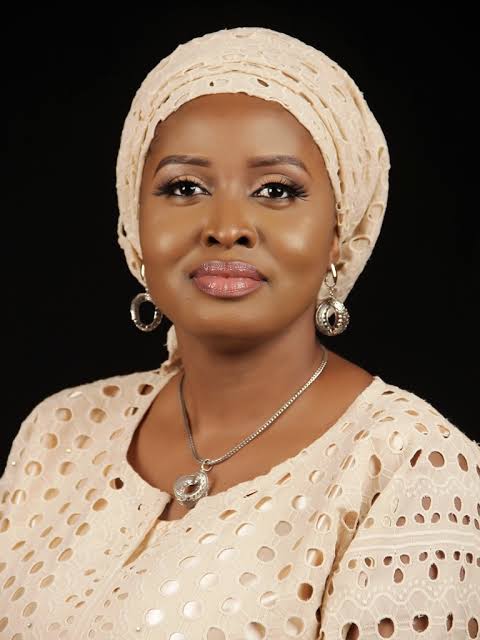
Dr. Asmau Benzies Leo is a development practitioner with extensive national and international expertise in gender equality, peace-building, governance and humanitarian action. She holds a PhD in Public Governance and Leadership, a Master’s degree in Conflict Management and Peace Studies, and executive certifications from Howard University, Harvard University, and Glasgow Caledonian University.
As Executive Director of the Centre for Non-Violence and Gender Advocacy in Nigeria (CENGAIN), she has led ground-breaking advocacy initiatives on women’s political participation, gender-based violence prevention and security sector reform across multiple World Bank-, UN and EU-supported projects.
Dr Asmau Benzis Leo.
Abuja, Nigeria