

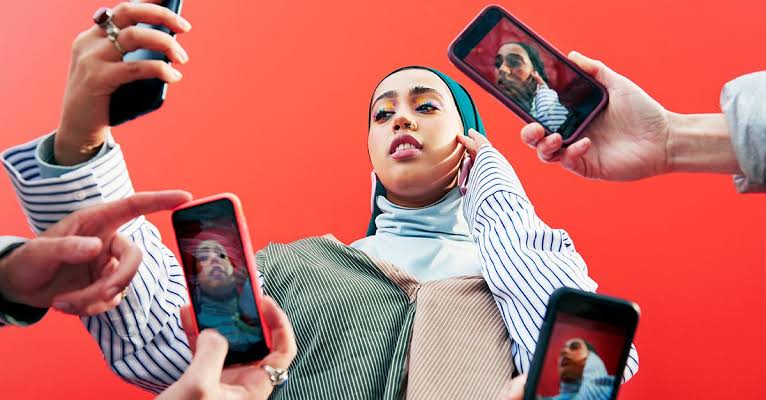
Social media has become one of the most influential forces shaping how young women see themselves, how they measure their worth, and how they define confidence in the modern world. Platforms such as Instagram, TikTok, Snapchat, and Facebook are no longer just spaces for communication.
They are spaces of identity construction, comparison, validation, expression, and sometimes quiet emotional struggle. The relationship between social media and confidence is not one sided. It is a mixture of empowerment and pressure, visibility and insecurity, connection and comparison.
At its best, social media gives young women opportunities that previous generations did not have. It creates access to visibility. A young woman can share her writing, business ideas, academic achievements, fashion sense, or personal experiences and reach an audience that may extend far beyond her immediate environment.
This access to audience can build confidence because it provides recognition and feedback. When people respond positively, it can affirm effort and talent.
There is a powerful truth in the words often attributed to Theodore Roosevelt: “Comparison is the thief of joy.” This statement becomes especially relevant in the social media age. Even though social platforms can inspire, they also expose users to endless comparisons. A young woman may begin to measure her life against carefully curated images of others. These images often show beauty, success, travel, relationships, and happiness, but rarely show struggle, failure, or ordinary moments.
One of the most significant influences of social media on confidence is the culture of editing and curation. Many images are filtered, posed, and carefully selected. Over time, this creates an illusion of perfection.
When young women are repeatedly exposed to such content, they may begin to question their own appearance or lifestyle. This is not because they lack value, but because the standard they are measuring themselves against is often unrealistic.
The Nigerian author Chimamanda Ngozi Adichie once said, “We teach girls to shrink themselves, to make themselves smaller.” This idea connects deeply to the social media experience. Even in digital spaces where women appear visible and celebrated, there is still pressure to fit certain molds. The pressure may not always be spoken, but it exists in the form of trends, beauty expectations, body standards, and lifestyle representation.
Another important factor is validation. Social media platforms are structured around likes, comments, shares, and followers. These numbers can quietly influence how young women feel about themselves. A post that receives attention may feel like approval, while a post that receives less engagement may feel like rejection. Over time, confidence can shift from being internally grounded to externally dependent. Instead of asking
“Do I value myself,” the question can slowly become “How did people respond to me.”
This shift is subtle, but powerful. Confidence that depends on external validation is fragile because it changes with trends, algorithms, and audience behavior. A young woman may feel confident one day and uncertain the next, not because she has changed, but because the level of attention she receives has changed.
Social media also creates what can be called a digital identity pressure. Many young women feel the need to present an ideal version of themselves online. This includes choosing the right photos, editing imperfections, and crafting captions that reflect a desired image. While self presentation is not new, social media intensifies it because the audience is constant and global.
The online self can begin to feel like a performance rather than an expression. When the gap between the online identity and real life becomes too wide, emotional tension can develop. A young woman may feel confident online but insecure offline, or the opposite. This disconnect can affect authenticity and emotional stability.
However, it is important not to view social media only as a source of insecurity. It also provides powerful spaces of empowerment. Many young women use social media to build businesses, learn new skills, express creativity, and connect with supportive communities.
There are spaces dedicated to education, mental health awareness, career development, and self improvement. In these spaces, confidence is not reduced but expanded.
There is also encouragement in shared experiences. When young women see others speaking openly about struggles such as anxiety, body image, academic pressure, or relationship challenges, it can create a sense of belonging. It reminds them that they are not alone in their experiences. This shared vulnerability can strengthen confidence by reducing isolation.
Another important idea is that confidence is not only about appearance or external success. It is also about self understanding. Social media can sometimes distract from this deeper foundation. When attention is focused on likes and comparison, it becomes easy to forget personal values, strengths, and long term identity.
The American writer Oscar Wilde once said, “Be yourself; everyone else is already taken.” This simple idea highlights the importance of individuality in a digital world that often encourages imitation. When young women begin to define themselves by trends or external standards, they may lose touch with their authentic identity.
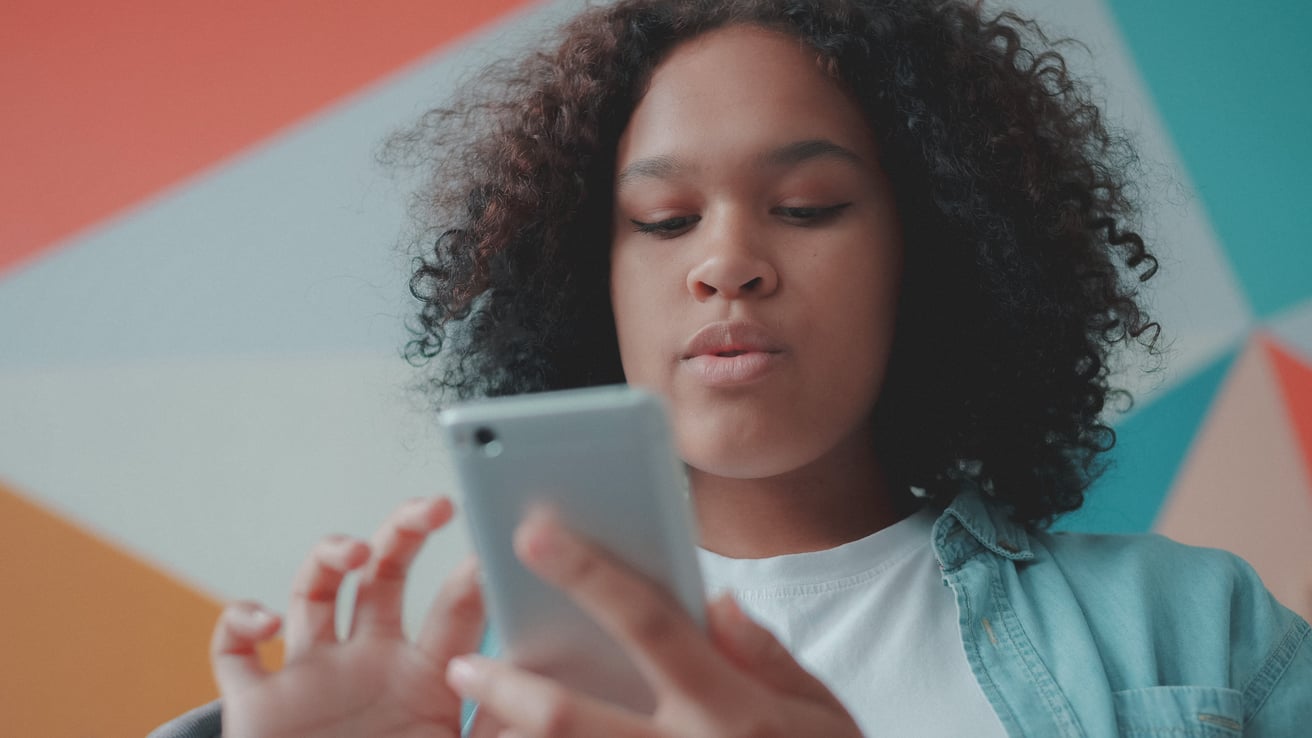
At the same time, it is important to acknowledge that not all experiences on social media are negative. Many young women gain intellectual confidence through exposure to educational content. They learn about financial literacy, entrepreneurship, science, literature, and social issues. This kind of knowledge can strengthen self belief and ambition. It shows that social media is not only a space of comparison but also a space of learning.
The impact of social media on confidence also depends on intention and awareness. A young woman who understands that social media is a curated space is less likely to compare herself unfairly. When there is awareness that people share highlights rather than full realities, the emotional impact of comparison becomes weaker.
Offline support systems also play a major role. Family, friends, teachers, and mentors can help shape how young women interpret what they see online. When there is strong real world affirmation, social media loses its power to define identity. Confidence becomes rooted in real relationships rather than digital approval.
It is also worth noting that boundaries are important. Taking breaks from social media, limiting screen time, and choosing who to follow can significantly affect emotional well being. Curating a healthy digital environment is not avoidance. It is self protection.
In conclusion, social media has a complex relationship with the confidence of young women. It can uplift, inspire, and educate, but it can also create pressure, comparison, and dependency on validation. The difference lies in awareness, balance, and intention.
Confidence in the digital age is not about avoiding social media completely. It is about using it without losing oneself in it. As long as young women remain grounded in self understanding, personal values, and real world relationships, social media becomes a tool rather than a threat.
True confidence is not built from likes or followers. It is built from self acceptance, growth, and the courage to exist authentically in both online and offline worlds.
By Almustapha Bishir Jume