

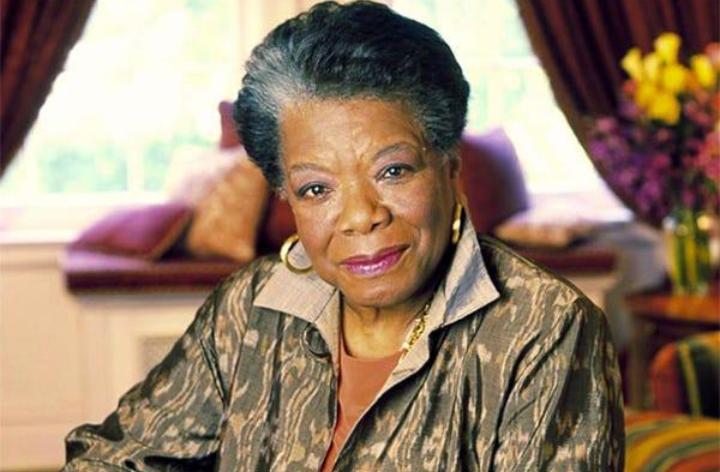
Some people are remembered for the positions they held or the awards they received. Maya Angelou is remembered for something deeper. She gave words to experiences that many people struggled to express, and in doing so became one of the most influential writers and poets of the twentieth century.
Maya Angelou was born in 1928 in St. Louis, Missouri, United States. Her early life did not offer comfort or stability. It was shaped by emotional hardship, displacement, and experiences that left deep marks on her childhood.
One of those experiences led her into silence for years. As a young girl, she stopped speaking, believing in her own childlike understanding that her voice carried consequences she could not control.
During that period, silence became her way of existing in the world. She moved between homes, living with relatives and adjusting to different environments. Life required her to grow quickly, to observe more than she spoke, and to understand people without fully expressing herself. Schooling continued, but her inner world remained quiet and withdrawn.
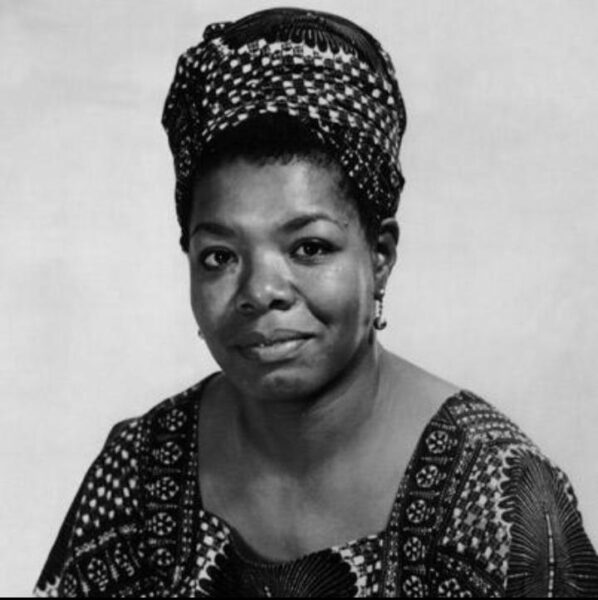
Books became her escape. She read constantly, finding comfort in language written by others. Through literature, she began to see that words could carry pain, truth, beauty, and survival at the same time. Without realizing it, she was slowly building the foundation of the voice she would later reclaim.
Before she became known to the world, Maya Angelou lived many ordinary and demanding lives. She worked as a cook, a waitress, a dancer, a singer, and later became one of the first African American women to work as a streetcar conductor in San Francisco.
These jobs were not part of fame or recognition. They were part of survival. Each experience exposed her to different sides of society and deepened her understanding of human struggle and dignity.
Her return to voice did not happen suddenly. It came gradually, through reflection and writing. At first, writing was private. It was a way to make sense of memory, pain, and identity. Over time, it became something more permanent, a way of shaping her life into language.
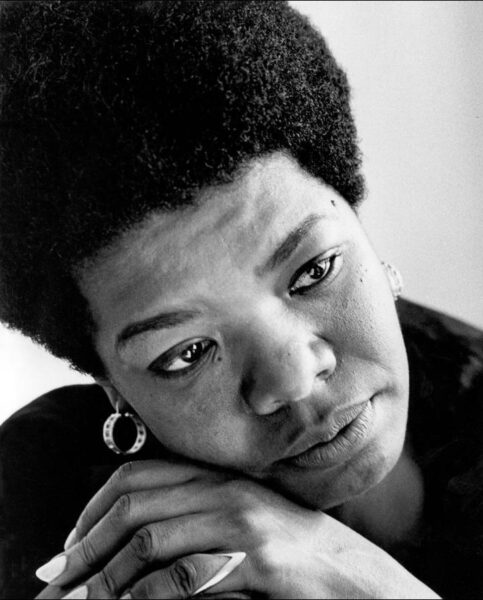
The publication of I Know Why the Caged Bird Sings in 1969 marked a turning point in her life. In the book, she wrote openly about childhood trauma, identity, race, and growing up in a society filled with inequality. The honesty of her storytelling drew global attention. Readers saw not just her life, but reflections of their own experiences in her words.
The book did more than establish her as a writer. It established her as a voice that could speak for experiences often left unspoken.
Beyond literature, Maya Angelou became involved in the struggle for civil rights and human dignity. She worked alongside leaders such as Martin Luther King Jr. and Malcolm X. Her contribution was not limited to speeches or gatherings. Her writing itself became part of the movement, carrying messages of justice, equality, and shared humanity.
As a poet, her strength lay in simplicity and emotional truth. She wrote about identity, womanhood, survival, hope, and dignity in a way that felt close to real life. Her poems did not hide pain, but they also did not leave readers in it. They carried resilience within them, shaped by lived experience rather than abstract ideas.
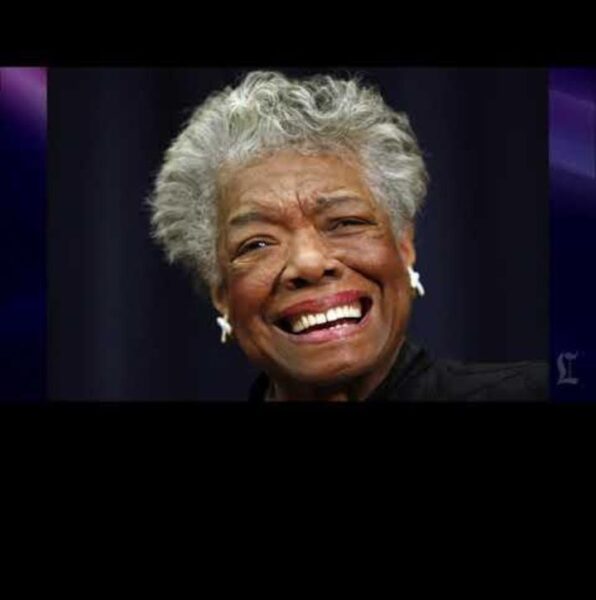
Maya Angelou’s life is also defined by transformation. She did not begin in a position of influence or recognition. She began as a child who stopped speaking, a young woman who worked ordinary jobs, and someone who had to rebuild her sense of self from lived experience. Her growth came through persistence, learning, and the steady decision to keep moving forward despite what she had been through.
Over time, she became one of the most respected literary and cultural figures in the world. Her works were studied in schools, her poems were recited at important public events, and her words became a source of strength for people across generations.
She was not only read; she was remembered.
Maya Angelou’s legacy is not only about literature. It is about the ability to turn pain into expression, and silence into meaning. It is about the possibility of rebuilding a life from experiences that once felt overwhelming. Her story shows that a beginning does not define the final outcome of a person’s life.
From silence came a voice that reached the world, and that voice continues to speak long after her time.
By Rukayya Muhammad Adam