The Life, Courage, and Tragic Death of Rachel Muthoni Wandeto
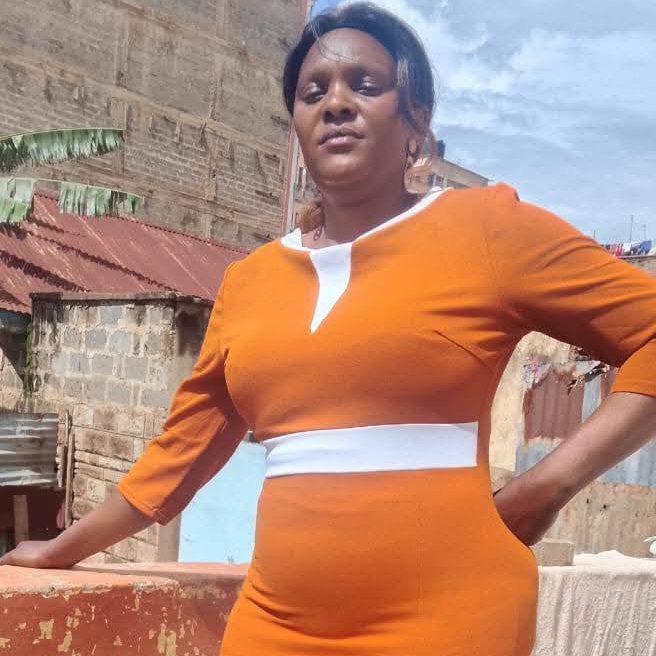
Rachel Muthoni Wandeto never asked for much. She grew up in the red soil village of Kabumbu in Kirinyaga, a girl who found God early and discovered her voice even earlier. She sang in Kikuyu, the language of her grandmother, the language of her prayers, and when she sang, people stopped whatever they were doing just to listen. It was the kind of voice that could make a room feel smaller and a heart feel less alone.
She was not famous by the world’s standards. She had no record deal, no manager, and no stylist. She had a phone, a Facebook page, and a gift that no amount of poverty could take away. She sang about faith. She sang about endurance. She sang to women sitting in churches with tired eyes, broken marriages, and children they were raising alone. Those women heard themselves in every note she released.
This is where Rachel’s story should have remained, in the music, in the joy of it.
But Rachel was also a woman living in a world that has never fully decided what to do with women who refuse to shrink themselves.
When she tattooed the face of President Ruto on her chest and openly declared her political loyalty, she crossed an invisible line society draws for women but never openly acknowledges. Men cross that line every day without consequence. They shout their politics at rallies, plaster their opinions on matatu windows, and argue in barbershops until midnight. No one pours petrol on a man for expressing a political opinion. But Rachel was a woman, and a woman’s conviction is often treated differently. It is treated as a provocation.
Her husband left her because of the tattoo. She carried that loss quietly and kept going. She kept singing, kept posting, kept showing up.
She absorbed the cost of her courage and called it life.
On the evening of May 15, 2026, three masked men found Rachel walking home in Mwiki, Nairobi. They did not see a gospel singer. They did not see a daughter, a believer, or a woman deeply loved by her family. They saw a woman with opinions, and they decided she needed to be punished for them.
They accused her of profiting from her loyalty to the president. She told them she had nothing.
They doused her in petrol anyway and set her on fire.
She burned on a public road in the dark.
Rachel was rushed to Kenyatta National Hospital with severe burns covering most of her body. Yet even from that hospital bed, wrapped in bandages and speaking through unimaginable pain, she told her story. She described the men. She described the petrol. She described the moment the world turned into flames around her.
Even while dying, she refused to let the truth die with her.
That was the kind of woman she was.
She died three days later.
What happened to Rachel was not merely a crime. It was the most brutal expression of something quieter that happens to women every day. It happens when a woman is told her opinion is too much. When she is punished for loving the wrong person, voting the wrong way, wearing the wrong thing, or simply existing with too much confidence in a world determined to contain her.
Most of the time, the punishment is not fire. It is silence enforced by fear. It is isolation. It is the slow erosion of a woman’s belief that her voice was ever worth using in the first place.
Rachel had already survived so much. She had risen from poverty, endured a broken marriage, faced ridicule, and continued singing. She built something meaningful out of very little. And then, in a cruel act of violence, that journey was cut short.
Her mother, Sarah Njeri, said the family would never forget the pain their daughter endured. She said everyone loved Rachel’s spiritual songs. She said the future had looked bright.
She said these things in the past tense now, and that quiet shift from present to past is where grief often lives.
Rachel Muthoni Wandeto deserved to grow old. She deserved to record albums, fill churches with her music, watch her audience grow, and one day teach another young girl from Kirinyaga how to find her own voice.
She deserved the ordinary miracle of a long life.
Instead, she became a reminder of a lesson the world continues to resist learning.
Women are not safe simply because they are good. They are not protected because they are talented, faithful, or kind. They are not spared because they have mothers who love them or songs that heal people.
Rachel was all of those things, and none of them were enough to keep her alive.
That is the tragedy.
Not only Rachel’s tragedy, but the tragedy of countless women whose names we may never know, women who carried a quiet fire within them and were extinguished before the world had the chance to feel their warmth.
Rest in peace, Rachel.
Your song deserved to last much longer than this world allowed.
By Umm e Habiba, Pakistan.