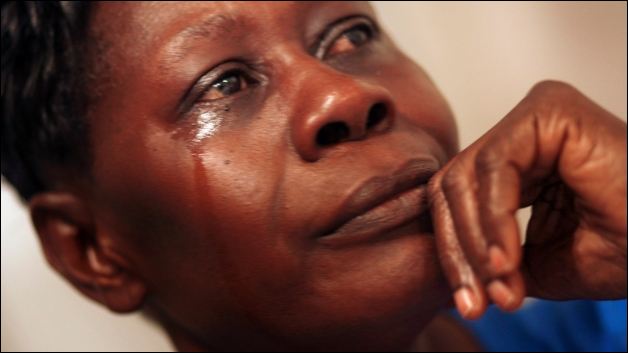
Widowhood is one of the most painful transitions a woman can experience, but for many widows, the pain does not end with the death of a husband. In many societies, especially across parts of Africa, widowhood often introduces another kind of suffering, one shaped by isolation, judgment, economic hardship, cultural expectations, and silence.
The death of a partner is already emotionally devastating. It changes the structure of daily life, removes companionship, and leaves behind grief that can take years to process. But for many widows, society does not always allow space for healing. Instead, they are often forced to carry additional burdens while still mourning.
In many communities, widows are treated differently immediately after the death of their husbands. Some are blamed indirectly for the loss. Others are expected to prove innocence through harmful cultural practices or are pressured into silence and withdrawal.
A woman who has just lost her husband may suddenly find herself surrounded not by comfort, but by suspicion, control, or abandonment.
One widow once shared how, after her husband died, relatives who had rarely visited during his illness suddenly became interested in property, finances, and inheritance. While she was still grieving, conversations around her focused more on possessions than her emotional wellbeing.
She said, “I felt like I lost my husband and my place in the family at the same time.”
For many widows, financial insecurity becomes immediate. In homes where men were the primary earners or where women had limited economic independence, widowhood can quickly become a struggle for survival. Some women are left to raise children alone without stable support. Others lose access to property, housing, or inheritance because cultural systems favor male relatives.
In certain cases, widows are expected to remain dependent on extended family members who may not treat them with dignity or respect.
The emotional impact of this can be overwhelming.
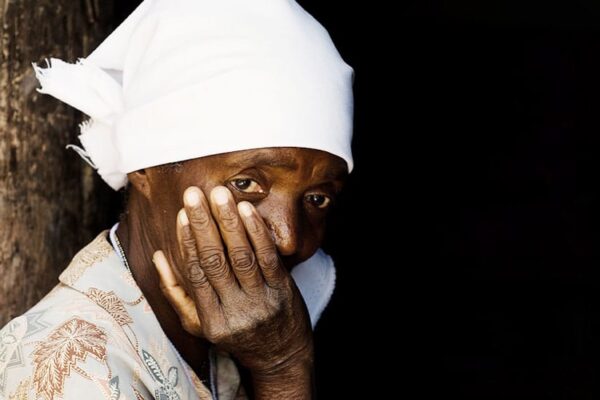
Grief itself is already heavy. It brings loneliness, confusion, emotional exhaustion, and deep psychological pain. But when grief is combined with social pressure and instability, many widows begin to feel invisible.
A widow may still attend gatherings and participate in community life while silently carrying emotional wounds that no one notices. Some avoid speaking openly about their struggles because society often expects them to “move on quietly.”
Others are treated as though their identity ended with the death of their husbands.
One woman described how people stopped speaking to her the same way after she became widowed. Invitations became fewer. Conversations became awkward. Some people viewed her with pity while others treated her as though she no longer belonged socially.
She said, “People looked at me as a widow before they looked at me as a person.”
In some African societies, widows also face cultural practices that deepen emotional suffering. Some are expected to wear mourning clothes for long periods, remain socially withdrawn, or participate in rituals that strip them of dignity. While culture and tradition are important parts of identity, practices that harm emotional wellbeing or violate human dignity should be questioned.
Widowhood should not become punishment.
Another hidden pain many widows experience is emotional isolation. During the first days after a death, people often gather around in support. But as weeks pass and public sympathy fades, many widows are left alone with responsibilities, memories, and unanswered fears about the future.
This loneliness can become severe, especially for older widows who may already feel socially disconnected.
Mental health struggles among widows are also rarely discussed openly. Anxiety, depression, emotional trauma, and prolonged grief are common, particularly when support systems are weak. Yet many women continue to suffer silently because emotional pain is often dismissed or misunderstood.
Children are also affected by widowhood. A mother struggling emotionally and financially may still try to remain strong for her children while carrying enormous pressure internally. Many widows become both mother and father overnight, balancing grief with survival.
Despite all this, widows are often among the strongest women in society.
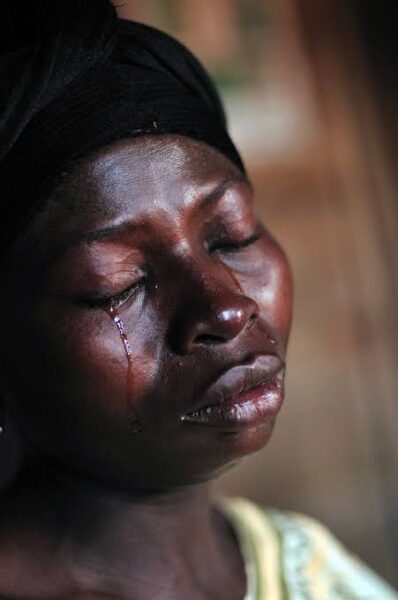
Many rebuild their lives quietly. They continue raising children, working, and surviving despite emotional and social challenges that are rarely acknowledged publicly.
But strength should not mean abandonment.
Widows need emotional support, financial protection, legal rights, and communities that treat them with dignity rather than suspicion or pity. They need safe spaces where grief is not rushed and where healing is not treated as weakness.
Most importantly, society must stop reducing widows to loss alone.
A woman does not lose her humanity because she loses her husband.
Widowhood is not shame. It is not weakness. It is not an identity that should erase a woman’s voice, dignity, or place in society.
The hidden pain of widows is not only the pain of losing someone they love. It is also the pain of living in societies that often fail to see their grief beyond the funeral.
By Almustapha Bishir Jume