

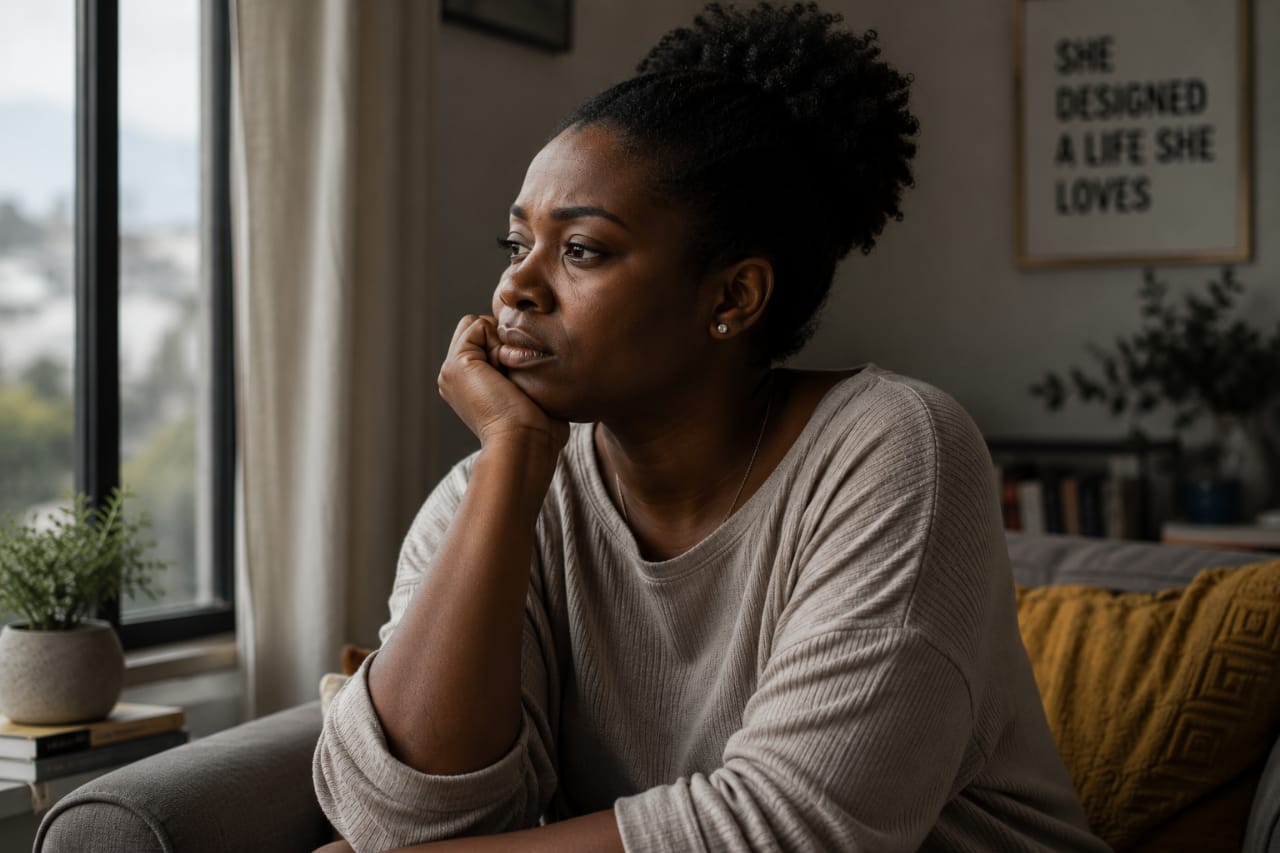
Mental health remains one of the most overlooked aspects of women’s well-being. Behind the smiles, achievements, carefully curated social media posts, and countless responsibilities women carry every day lies a reality that often goes unnoticed: the silent struggle with emotional and psychological distress.
For generations, women have been expected to be caregivers, nurturers, peacemakers, and pillars of strength. Society celebrates women who sacrifice, endure, and persevere. Yet one important question is rarely asked: Who takes care of the woman who spends her life taking care of everyone else?
Although conversations about mental health have become more common in recent years, many aspects of women’s mental health remain hidden beneath layers of stigma, cultural expectations, and silence. These are the conversations we continue to ignore.
The Weight of Invisible Expectations
From childhood, many girls are taught to be accommodating, resilient, and emotionally available. As they grow older, these expectations expand.
A woman may be expected to excel academically, build a successful career, maintain a healthy relationship, raise children, care for aging parents, and remain emotionally composed through every challenge. While these roles can be fulfilling, the pressure to perform them all flawlessly can become overwhelming.
Unlike physical illness, emotional exhaustion often remains invisible. A woman may continue attending work, preparing meals, meeting deadlines, and fulfilling obligations while quietly battling anxiety, depression, burnout, or emotional distress.
Because she continues to function, people assume she is fine.
Depression: More Common Than We Think
Depression is one of the most common mental health conditions affecting women worldwide. Despite this, many women suffer without seeking help.
Some dismiss their symptoms as weakness. Others fear judgment. Many simply do not recognize the warning signs.
Persistent sadness, loss of interest in activities once enjoyed, fatigue, feelings of worthlessness, difficulty concentrating, and changes in sleeping patterns are often mistaken for ordinary stress.
For many women, depression does not look like complete withdrawal from life. It often looks like showing up every day, smiling when expected, and fulfilling responsibilities while feeling emotionally drained inside.
The danger of this silent suffering is that it delays support, treatment, and recovery.
Anxiety: The Constant Companion
Anxiety is another widespread but frequently overlooked challenge among women.
Many women carry a relentless mental checklist:
- Are the children safe?
- Have the bills been paid?
- What if I fail?
- What if something goes wrong?
- What will people think?
This constant cycle of worry can become emotionally exhausting.
In cultures where women are expected to maintain appearances and avoid burdening others with their struggles, anxiety often remains hidden. What appears to be perfectionism or exceptional organization may sometimes be an attempt to cope with deep-seated fear and uncertainty.
Over time, untreated anxiety can affect physical health, relationships, productivity, and overall quality of life.
Motherhood and Mental Health
Motherhood is often portrayed as a purely joyful experience. While it can be deeply rewarding, it can also be emotionally demanding.
Pregnancy, childbirth, and parenting bring profound physical, emotional, and psychological changes. Yet many mothers feel pressured to appear grateful and happy at all times.
Postpartum depression affects millions of women around the world, but many suffer in silence because they fear being labelled ungrateful or incapable mothers.
Some women experience loneliness, identity loss, exhaustion, anxiety, and overwhelming guilt after childbirth. Instead of receiving understanding, they are often met with criticism or unrealistic expectations.
When society refuses to acknowledge these struggles, many mothers are left feeling isolated during one of the most vulnerable periods of their lives.
The Psychological Impact of Violence
One of the most neglected conversations surrounding women’s mental health is the psychological impact of violence and abuse.
Domestic violence, sexual harassment, emotional abuse, and gender-based discrimination leave wounds that extend far beyond physical injuries.
Many survivors experience depression, anxiety disorders, trauma, low self-esteem, and chronic fear long after the abuse ends.
Unfortunately, cultural norms sometimes encourage silence. Victims may be told to endure, forgive, or protect family reputations rather than seek support.
The result is prolonged emotional suffering that can affect every aspect of a woman’s life.
True advocacy for women’s mental health must include conversations about safety, dignity, justice, and protection.
The Burden of Always Being Strong
Perhaps one of the most damaging expectations placed on women is the belief that they must always be strong.
Strength is admirable. However, when women are expected to suppress vulnerability, expressing emotional pain becomes difficult.
Many women hear phrases such as “Be strong,” “Others have it worse,” “Pray about it and move on,” or “Do not let people see your weakness.”
While often well intentioned, such statements can discourage women from seeking professional support when they need it most.
Strength should not mean suffering in silence.
True strength includes acknowledging pain, asking for help, and prioritizing emotional well-being.
Social Media and the Comparison Trap
The digital age has introduced new challenges for women’s mental health.
Social media platforms often present carefully edited versions of reality. Women are constantly exposed to images of seemingly perfect bodies, careers, relationships, homes, and lifestyles.
This culture of comparison can fuel self-doubt, feelings of inadequacy, and low self-esteem.
Many women find themselves measuring their lives against unrealistic standards, forgetting that social media often showcases highlights rather than reality.
Protecting mental health requires learning to separate online appearances from real-life experiences.
Breaking the Silence
Improving women’s mental health begins with honest conversations.
Families must create safe spaces where women can speak openly without fear of judgment.
Workplaces should recognize burnout and support mental wellness initiatives.
Communities must challenge harmful stereotypes that discourage women from seeking help.
Healthcare systems should make mental health services more accessible and affordable.
Most importantly, women must be reminded that seeking help is not a sign of weakness. It is an act of courage.
A Future Where Women Are Heard
Mental health is not a luxury. It is an essential part of overall well-being.
When women’s emotional struggles are ignored, families, communities, and societies all feel the consequences. When women are supported, understood, and empowered to prioritize their mental health, everyone benefits.
The conversations we ignore today often become the crises we face tomorrow.
It is time to listen more carefully, speak more openly, and create a world where women do not have to suffer silently.
Because every woman deserves not only to survive, but to thrive emotionally, mentally, and socially.
By Rukayya Muhammad Adam