As political parties begin positioning themselves for Nigeria’s 2027 general elections, attention is naturally focused on alliances, campaign strategies, and the personalities likely to dominate the political landscape. Yet beneath the headlines lies a political reality that is often underestimated: women constitute one of the most powerful forces in Nigeria’s democracy.
With women accounting for nearly half of the country’s registered voters, they are far more than a demographic category. They represent a decisive electoral bloc capable of influencing outcomes at local, state, and national levels. In an era where elections are increasingly won and lost by narrow margins, understanding the political influence of women is no longer optional for candidates seeking victory.
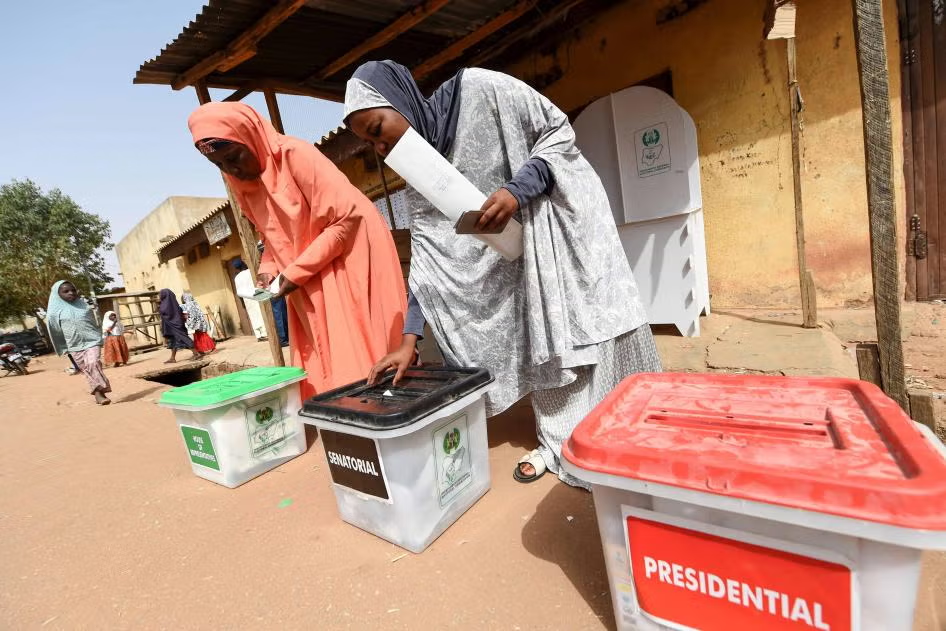
The strength of women in Nigeria’s electoral process begins with their numbers. Electoral statistics from recent elections demonstrate that millions of women actively participate in voter registration, Permanent Voter Card collection, and election day voting.
More importantly, women possess extensive social networks that extend into homes, markets, religious institutions, professional associations, and community organizations. These networks often determine how political messages spread and how voter participation is encouraged.
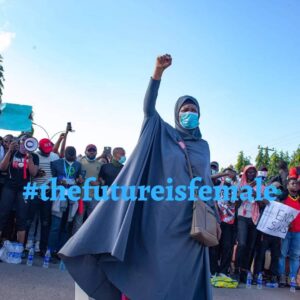
Across the country, women remain the backbone of grassroots mobilization. From market associations in Lagos and Kano to farming cooperatives in rural communities, from faith based organizations to neighbourhood groups, women play a central role in shaping public opinion. Their influence is rooted not only in numbers but also in trust. In many communities, recommendations from respected women leaders carry significant weight. Political support earned through these networks often reaches voters more effectively than expensive advertising campaigns.
The political significance of women extends beyond mobilization. They also have the capacity to reshape the issues that dominate electoral conversations. For decades, Nigerian politics has often revolved around patronage, ethnic loyalties, and political symbolism.
However, when women organize around issues that directly affect families and communities, political priorities can shift dramatically.
Questions surrounding access to quality education, affordable healthcare, maternal welfare, food security, economic opportunities, and community safety resonate strongly with women voters. When these concerns become central to political discourse, candidates are compelled to present concrete solutions rather than relying solely on rhetoric. In this way, women contribute not only to electoral participation but also to the quality of democratic engagement.
The influence of women is equally evident in efforts to protect electoral integrity. Across Nigeria, women serve as election officials, observers, party agents, and civic volunteers. Their participation strengthens transparency and accountability throughout the electoral process. Organised women’s groups have increasingly taken active roles in voter education, election monitoring, and the documentation of electoral irregularities. Such contributions help strengthen public confidence in democratic institutions and reinforce the credibility of election outcomes.
Perhaps most importantly, the role of women does not end once the ballots have been counted. Women who mobilise voters frequently remain engaged in governance and public accountability.
They advocate for policy implementation, monitor campaign promises, and demand development projects that address the needs of their communities. Through this continued engagement, electoral participation is transformed into democratic oversight.
As Nigeria approaches another important electoral cycle, political actors would do well to recognise a simple truth. Women are not merely participants in the democratic process; they are among its most influential architects. Their numbers, organisational capacity, grassroots reach, and commitment to community development make them a formidable political force.
The story of Nigeria’s 2027 elections will be shaped by many factors, but few will be as significant as the choices made by millions of women across the country. Any candidate or political party that fails to appreciate this reality risks overlooking one of the most decisive forces in Nigerian politics.
By Almustapha Bishir Jume