

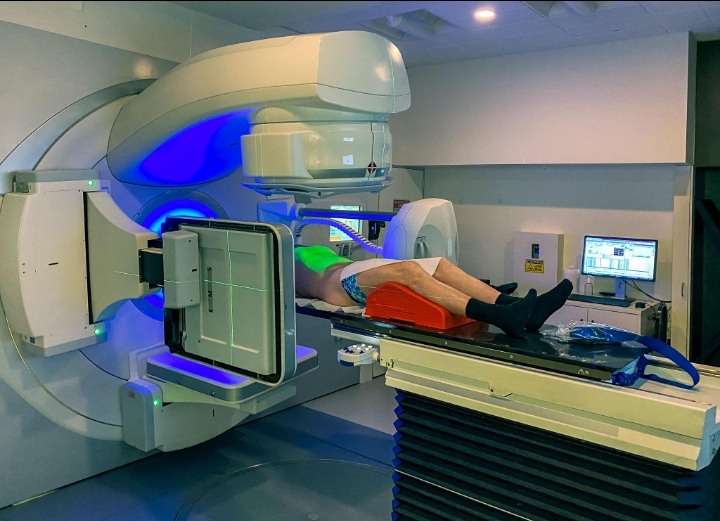
The NHS is introducing a cutting-edge five-session radiotherapy treatment that offers thousands of men with prostate cancer a faster, more precise alternative to conventional therapy—marking a significant step forward in the fight against one of the world’s most common cancers.
For thousands of men diagnosed with prostate cancer each year, treatment often means weeks of hospital visits, physical exhaustion, and the emotional weight of living with cancer. But a major breakthrough by the National Health Service (NHS) in England is changing that reality. A new, highly advanced form of radiotherapy is now being offered to eligible patients, promising shorter treatment times, greater precision, and renewed hope.
The treatment, known as Stereotactic Ablative Body Radiotherapy (SABR), represents one of the most significant advances in prostate cancer care in recent years. Unlike conventional radiotherapy, which typically requires around 20 sessions spread over four weeks, SABR delivers powerful, targeted radiation in just five treatment sessions. This dramatically reduces the time patients spend in hospital while maintaining the same high standard of care.
What makes SABR remarkable is its precision. Using advanced imaging and treatment-planning technology, doctors can deliver high doses of radiation directly to cancerous tissue while minimizing exposure to nearby healthy organs.
This targeted approach not only improves patient convenience but also reduces the risk of side effects commonly associated with traditional radiotherapy.
The nationwide rollout follows the success of the internationally acclaimed PACE-B clinical trial, led by researchers from The Institute of Cancer Research (ICR) and The Royal Marsden NHS Foundation Trust. The landmark study demonstrated that the five-session treatment is just as effective as conventional radiotherapy for men with low- and intermediate-risk prostate cancer, while offering a far more convenient treatment schedule.
With this evidence, the NHS has approved the therapy for use across all 48 specialist radiotherapy centres in England. It is estimated that around 3,500 men will benefit from the treatment every year. Healthcare experts also expect the initiative to free up approximately 50,000 hospital appointments annually, allowing cancer services to care for more patients while reducing waiting times across the health system.
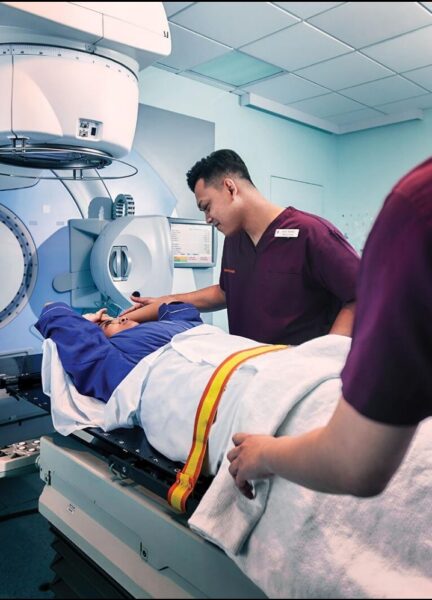
For patients, the benefits extend far beyond medical statistics. Fewer hospital visits mean less disruption to work, family life, and daily routines. Instead of spending nearly a month travelling for treatment, many patients can complete their entire course within a single week. This can significantly reduce the emotional and financial burden often associated with cancer treatment.
Professor Peter Johnson, the NHS National Clinical Director for Cancer, described the rollout as an important milestone in improving cancer care.
He explained that the advanced technology allows clinicians to deliver highly concentrated doses of radiation with exceptional accuracy, giving suitable patients access to faster treatment without compromising effectiveness. He also noted that while SABR is not appropriate for every prostate cancer patient, it provides an excellent option for many men whose cancer is confined to the prostate.
Prostate cancer remains the most commonly diagnosed cancer among men in the United Kingdom, with thousands of new cases recorded every year. Advances in screening, diagnosis, and treatment have already improved survival rates significantly, but experts believe innovations like SABR represent the future of cancer care—where treatment becomes not only more effective but also less burdensome for patients.
The introduction of SABR is another example of how research, technology, and healthcare policy can work together to improve lives. It reflects years of scientific investigation, clinical collaboration, and investment in medical innovation, all aimed at delivering better outcomes for patients.
For thousands of men facing a prostate cancer diagnosis, this breakthrough offers more than a faster treatment schedule. It represents hope, reassurance, and the promise that modern medicine continues to find smarter, safer, and more compassionate ways to fight one of the world’s most common cancers.
By Almustapha Bishir Jume